Affordable Concealed Fastener PIR Wall Sandwich Panels Exporter
Polyisocyanurate (PIR) cores provide high thermal resistance values relative to their profile thickness. By utilizing a concealed fastener system, these panels eliminate thermal bridging and water ingress points typically associated with exposed screw-driven assemblies. This construction method is specifically designed for large-scale industrial and commercial projects where thermal envelope integrity and aesthetic uniformity are primary drivers for procurement decisions.
The concealed fastening mechanism operates via a cam-and-groove interlocking system, ensuring the exterior surface remains free of mechanical penetrations which significantly reduces the risk of localized corrosion in high-exposure environments.**
Scope of Supply and Physical Form
Structural performance in sandwich panels depends on the interaction between the steel skin gauge and the PIR foam density. We typically provide skins ranging from 0.5mm to 0.7mm thickness to balance weight against the required load-bearing capacity of the span. The PIR core is manufactured with a density of 80-120 kg/m³ to maintain dimensional stability under varying thermal loads.
- Core thicknesses available from 50mm to 200mm based on specified U-value requirements.
- Profile options include trapezoidal, micro-rib, or flat-faced for specific architectural finishes.
- Surface treatments include PVDF, polyester, or mineral-bleed coatings for UV and chemical resistance.
- Concealed locking clips designed for rapid installation on steel or cold formed framing.
How It Performs in Use
On-site application, the primary failure mode for standard panels is delamination at the point of exposed fasteners. Our concealed system mitigates this by distributing the mechanical load across the entire joint geometry rather than a single point-load screw. This prevents the PIR core from tearing around the fastener during thermal-induced expansion and contraction cycles.
| Usage Condition | Typical Complaint | Specification Mitigation |
|---|---|---|
| High Thermal Cycling | Water leakage at screw heads | Concealed joint geometry prevents surface penetration |
| High Wind Load Zones | Panel rattling or joint pull | Interlocking cam lock increases shear resistance |
| Long-term UV Exposure | Coating chalk and fading | High-grade PVDF coating options available |
Construction Method and Its Effect on Consistency
The manufacturing process involves continuous-lamination where PIR foam is bonded to the steel skins. If the pressure distribution is inconsistent, the bond strength varies, leading to core delamination under structural dead-loads. We utilize automated pressure monitoring systems to ensure the adhesive line thickness remains uniform within a ±0.05mm tolerance across the entire production run.
Core Integrity
PIR foam is injected with precise chemical ratios to ensure a uniform cell structure. This ensures that the panel maintains its R-value over the life of the building without sagging or compression-related thinning.
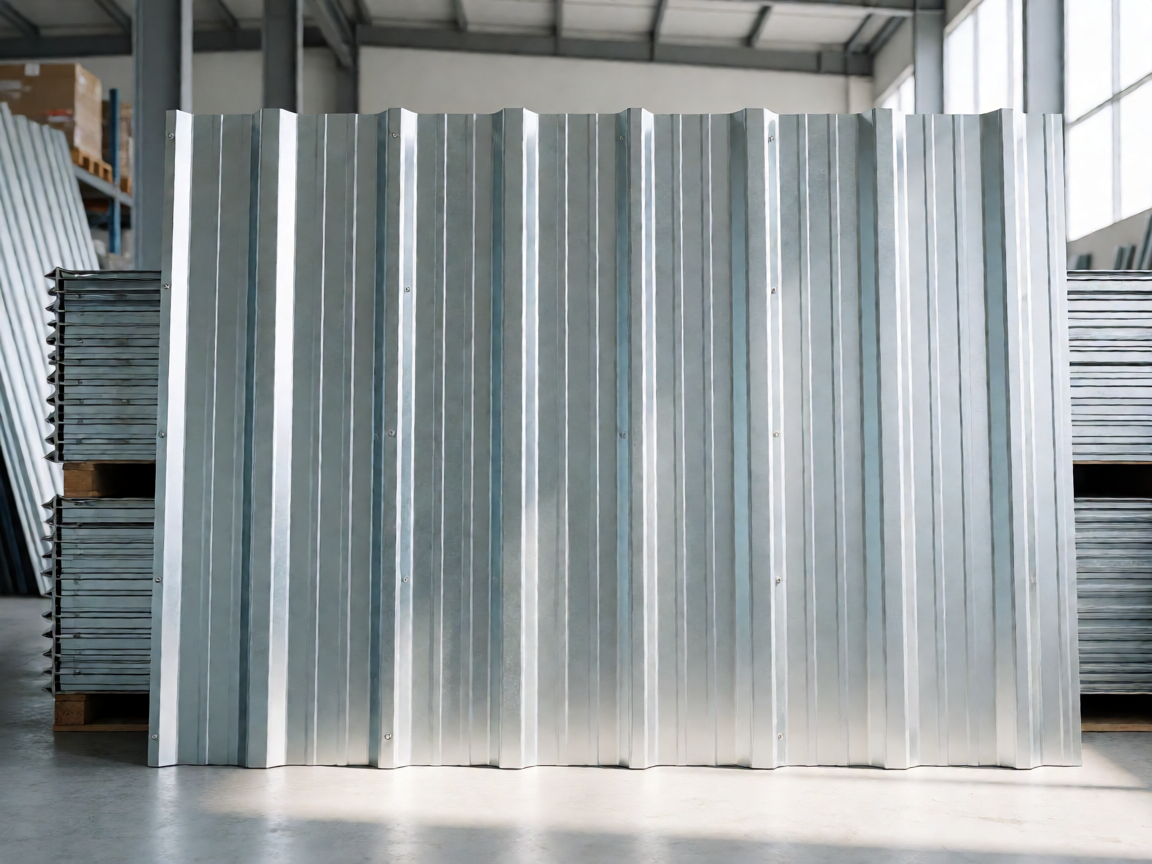
Fastener Alignment
The concealed track profile is die-cut using high-tolerance tooling. This ensures that when panels are clicked, the internal locking aligns perfectly, reducing the labor hours required for on-site adjustments.
Comparing Standard Configurations
Choosing between different core thicknesses and skin gauges depends on the specific thermal-to-budget ratio. A thicker PIR core increases the U-value but increases the panel width, which may impact the usable floor area cost per square meter.
| Configuration | Standard Grade | Premium Grade |
|---|---|---|
| Skin Material | 0.50mm Galvanized | 0.70mm Galvanized |
| Core Density | 80 kg/m³ | 120 kg/m³ |
| Coating Finish | Standard Polyester | PVDF / Plastisol |
Questions Buyers Ask Before Ordering
What is the lead time for export orders?
Lead times typically range from 4 to 8 weeks depending on the volume and specific custom profile requirements. Bulk orders benefit from scheduled production slots to stabilize unit pricing.
Can these panels be used for cold storage applications?
Yes, the PIR core is highly effective for thermal insulation. The concealed fastener system is critical here as it prevents the condensation points that often form around exposed screw heads.
How are the concealed fasteners secured during installation?
The fasteners are hidden within the structural groove of the panel, accessible only before the next panel is locked into place. This protects the mechanical hardware from environmental degradation and impact.
Request a technical datasheet or a bulk quote for your project specifications.
Contact our Export Sales Team


