Affordable Exterior Rock Wool Cladding Sandwich Panels China Supplier: Specification Guide
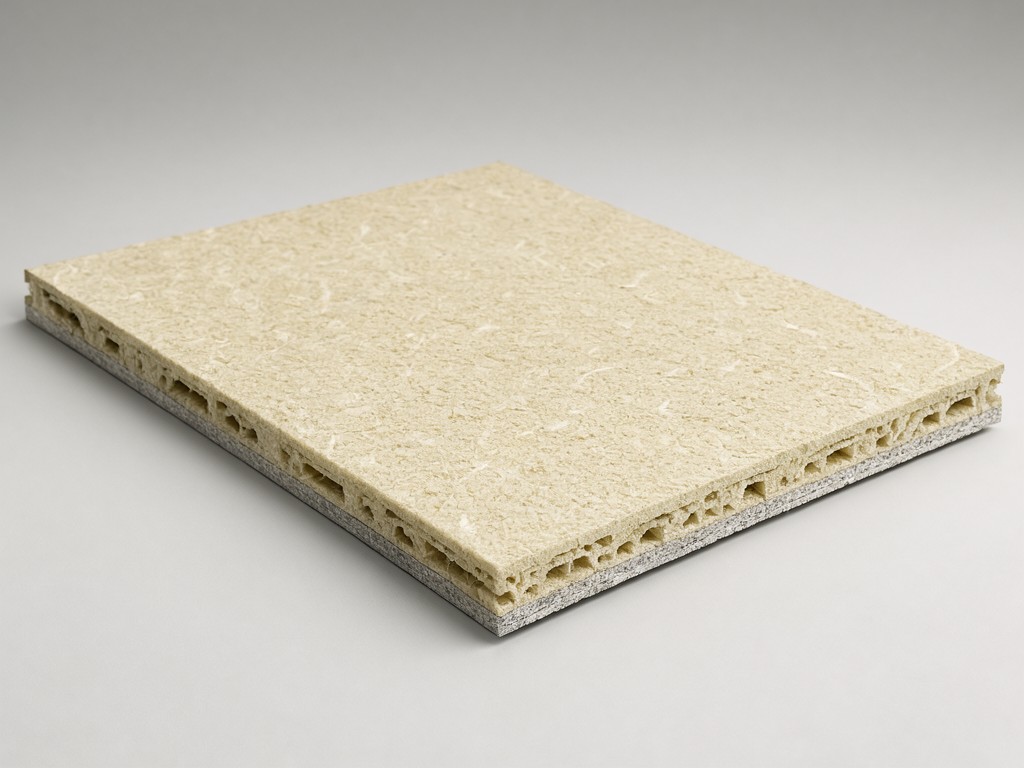
Procuring rock wool panels requires a balance between the density of the mineral wool core and the structural integrity of the steel skins. While lower-cost options reduce initial capital expenditure, the trade-off often manifests in the bond strength between the layers and the resistance to delamination under extreme thermal cycling.
The Problem Buyers Keep Paying For
Most warranty claims in exterior cladding stem from poor mechanical bonding between the galvanized steel sheets and the rock wool core. When the adhesive application process is inconsistent or the core moisture content is high during manufacturing, the panel separates, leading to visible gaps and air infiltration. This failure allows moisture to penetrate the insulation layer, which compromises the R-value and leads to accelerated corrosion of the internal sub-frame.
The density of the rock wool also dictates the acoustic performance and fire resistance rating. A 100kg/m³ core provides superior rigidity and fire barriers but may be prone to sagging if the panel support is not sufficiently frequent during installation. Conversely, a 60kg/m³ core is easier to transport and handle but requires more precise framing to prevent surface deflection over long spans.
How It Performs in Use
Thermal stability in high-UV environments depends on the coating specification of the outer skin. Standard polyester coatings often degrade under direct solar exposure within 5 to 7 years, resulting in chalking and pigment loss. For projects requiring longer service lives, a PVDF (polyvinylidene fluoride) finish is necessary to maintain the surface gloss and prevent the structural degradation of the steel skin through oxidation.
Water vapor resistance is managed through the vapor profile of the panel assembly. Because rock wool is inherently hydrophobic, the primary barrier is the system-wide joint integrity and the profile-lap interlocking system. If the joints are not manufactured with tight tolerances, wind-driven rain bypass the insulation, leading to localized condensation and mold growth within the building envelope.
Material Options and Their Trade-offs
| Parameter | Standard Grade | Premium Grade |
|---|---|---|
| Core Density | 60 - 80 kg/m³ | 100 - 120 kg/m³ |
| Skin Thickness | 0.4mm - 0.5mm | 0.6mm - 0.7mm |
| Coating Type | PE Polyester | PVDF / Plastisol |
| Bond Strength | Standard Adhesive | High-shear-reinforced bond |
Industrial Warehousing
Utilized for large-span logistics centers where cost-per-square-meter is the primary driver. Lower density cores reduce freight weight, though structural supports must be closer to prevent buckling under wind loads.
Commercial Façades
Applied in multi-story office buildings where fire-rating is critical. Higher density rock wool cores ensure the panel meets stringent fire safety requirements while providing acoustic dampening for urban environments.
Quality Control and Consistency
Batch consistency is verified through shear strength testing of the core-to-skin bond. This ensures that the panels will not delaminate during the expansion and contraction cycles of seasonal changes. We also monitor dimensional stability within a tolerance of ±2mm over a 6-meter length to ensure that interlocking joints align perfectly on-site without requiring field modifications.
- Thermal conductivity testing to verify R-value consistency across batches.
- Salt spray testing on galvanized steel to assess corrosion resistance in coastal zones.
- Impact cycle testing to evaluate coating adhesion and abrasion resistance.
Inspection Items and Methods
Standard inspection protocols include a random sampling of the mineral wool to check for fiber distribution and moisture content. If the moisture level exceeds 2% at the point of production, the batch is rejected to prevent internal rot during the adhesive curing process.
FAQs
What is the typical lead time for custom-profile rock wool panels?
Production typically ranges from 21 to 35 days depending on order volume and the specific coating requirements requested for the project.
Can these panels be supplied with specific core densities?
Yes, we provide densities from 60kg/m³ to 120kg/m³ based on structural and acoustic specifications.
Request a technical datasheet or bulk pricing for your next project.
Contact our engineering team for a quote


