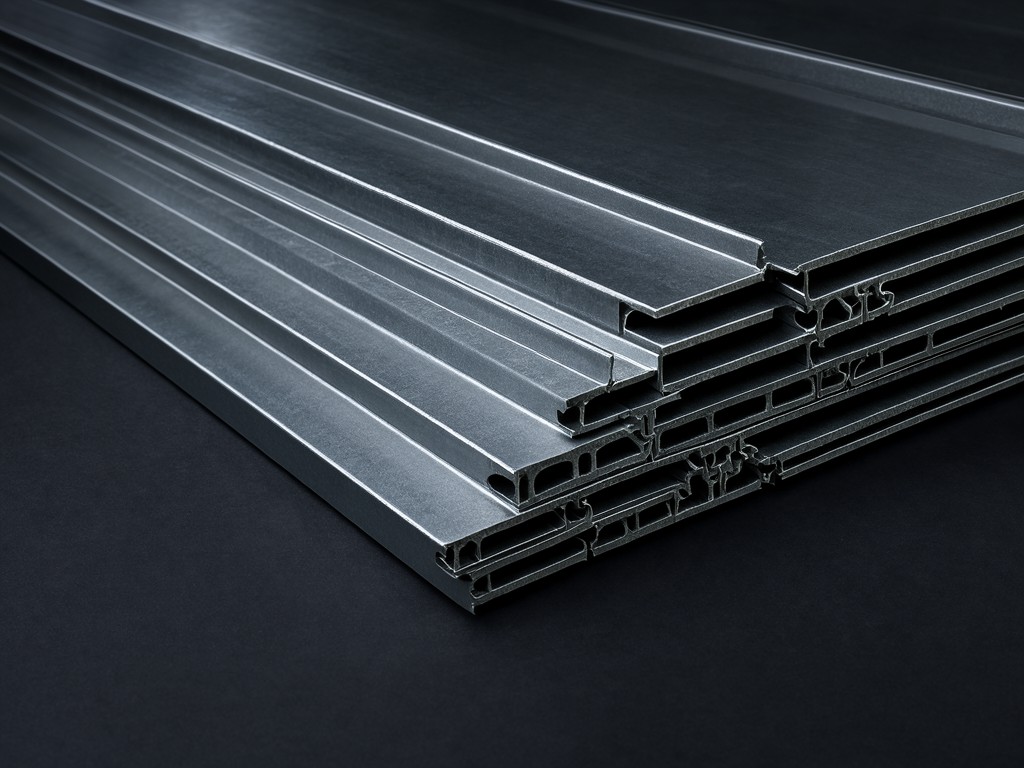
B2B Color Coated Steel EPS Sandwich Panels Manufacturer - Bulk Supply
Structural integrity in modular construction depends on the bond strength between the galvanized steel skin and the expanded polystyrene. When sourcing for large-scale cold storage or industrial cladding projects, the primary failure mode is delamination caused by poor chemical adhesion or thermal expansion de-contraction cycles. If the adhesive application process lacks consistent heat distribution, the panel loses its axial load resistance, leading to buckling and compromised thermal performance during seasonal shifts.
Procurement officers must balance the density of the EPS core against the gauge of the outer steel sheets. A higher density core increases compressive strength but raises the weight-per-meter, directly impacting logistics costs. Our manufacturing process utilizes a continuous production line to ensure that the EPS core remains perfectly centered between the steel skins, preventing the internal voids that lead to thermal bridging and structural weakness in finished installations.
Technical Compliance Note
Standard steel thicknesses typically range from 0.4mm to 0.6mm, with EPS core depths available from 50mm to 200mm depending on the specific R-value requirements of the project.
What Actually Determines Performance
The longevity of color-coated panels is dictated by the coating system's resistance to UV degradation and oxidation. In high-exposure environments, standard polyester coatings will chalk and flake within 36 months, exposing the substrate to rapid corrosion. We utilize PVDF or high-performance polyester finishes for exterior applications to ensure the color value is maintained over a 10-to-15-year service life without significant fading.
Dimensional stability is another critical metric for distributors managing site inventory. If the steel sheets are not properly tensioned, the panels will warp across the span, making joint alignment during installation. This results in visible gaps, which compromises the airtight seal of the entire building envelope.
Core Density Options
- 10kg/m³-15kg/m³: Internal partitions and low-load thermal insulation.
- 20kg/m³-25kg/: Standard industrial cladding and warehouse roofing.
- 30kg/m³+: High-density for structural-grade load-bearing walls.
Surface Finishes
- Flat profile: Minimal aesthetic profile, easy to clean.
- Trapezoidal profile: Increased stiffness for long roofing spans.
- Ribbed profile: Optimized for rapid water shedding and shear resistance.
Size and Weight Range
| Parameter | Standard Range | Technical Impact |
|---|---|---|
| Panel Total Thickness | 50mm - 300mm | Affects thermal resistance (R) |
| Steel Skin Gauge | 0.4mm - 0.6mm | Determines wind load capacity |
| Effective Width | 950mm - 1200mm | Impacts installation speed and waste |
| Max Length | Up to 12m (custom) | Requires specialized transport logistics |
How to Choose Before Requesting a Quote
Selecting the right configuration requires an analysis of the site environment. For coastal regions with high salt content, the galvanized steel must have a higher zinc-coating weight to prevent premature pitting. For internal temperature-controlled environments, the focus shifts to the EPS core's ability to maintain density under thermal stress without deforming the steel skin.
Private-label buyers should specify the color-matching requirements early in the process. We provide spectrophotometer data to ensure that batch-to-batch production remains within the master sample, preventing visual inconsistencies across large-scale building façades.
OEM and ODM Structure
Our factory setup allows for custom profile profiling to meet specific architectural or functional requirements. This includes tongue-and-groove joints designed for water-tightness or interlocking systems for lateral stability. We work with engineering teams to optimize the panel-to-weight ratio, reducing material costs without sacrificing the required structural safety factors for the project.
Packing and Freight Configuration
Bulk shipping of sandwich panels requires protection against edge damage to the color-coated. We utilize protective film wrapping and steel-reinforced strapping to prevent scratching or mechanical deformation during sea transit. Each container load is marked with batch numbers, production dates, and technical specifications to ensure full traceability for the distributor or project manager.
Setup and Use
- Cold storage facilities requiring high-density EPS for thermal bridge control.
- Industrial warehouse cladding where rapid assembly and labor costs are primary.
- Pre-fabricated modular housing units where lightweight panels reduce foundation load requirements.
- Commercial building interior walls requiring aesthetic color-coated steel finishes.
Request technical data and bulk pricing for your next project.
Contact our Technical Team for a Quote


