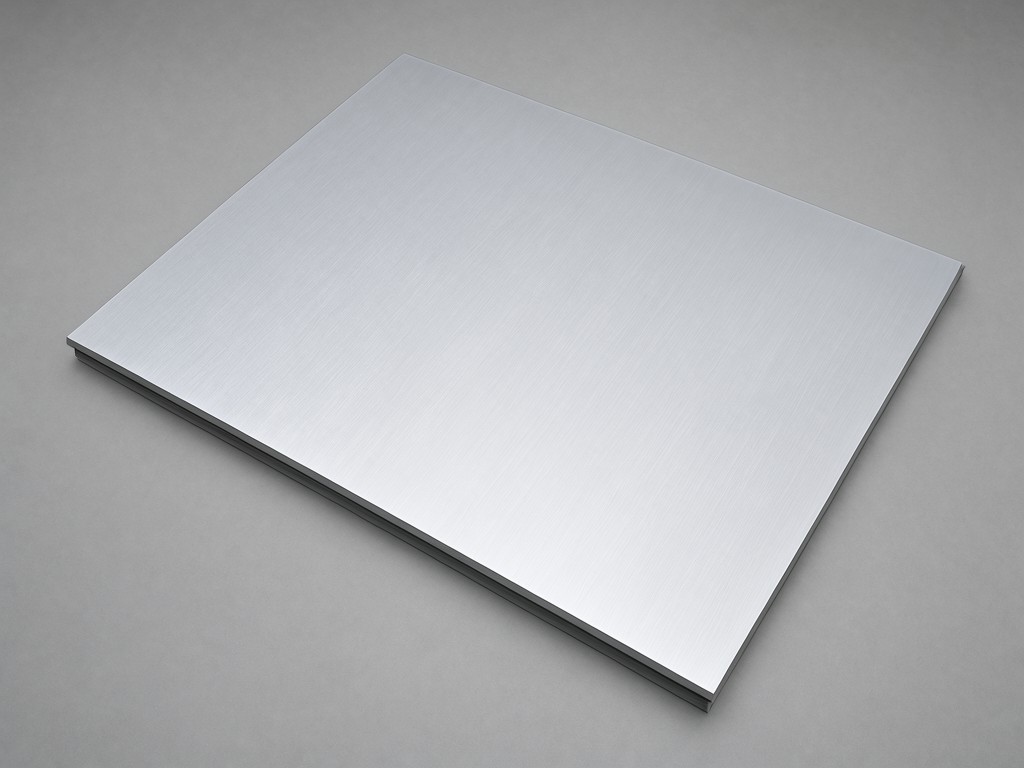
B2B Insulated Aluminum Composite Wall Cladding Panels Supplier
Procurement for large-scale envelopes hinges on the dimensional stability of the substrate relative to the insulation core. When the expansion coefficients between the aluminum faces and the foam core are not matched, thermal stress cycles lead to oil canning or delamination at the fastener points. We manufacture panels with a calibrated core density to ensure the assembly remains flat within a 0.5mm tolerance across a 40-degree temperature variance.
What the Design Has to Balance
The structural integrity of the cladding system is determined by the bond strength between the polymer coating and the metal skin. Low-grade adhesives often fail under high UV exposure, resulting in skin-peeling within 36 months of installation. Our production process utilizes a continuous-lamination line that maintains a shear strength exceeding 5N/mm, ensuring the decorative face does not separate during rapid thermal expansion.
Mineral Core Options
Mineral-filled cores provide superior fire resistance ratings but increase the weight per square meter. This necessitates a heavier sub-frame structure, increasing the total project cost despite a lower panel price per unit.
PE Core Options
Polyethylene foam cores offer the highest R-value per millimeter of thickness. This configuration is ideal for commercial retail where thermal efficiency and rapid installation are the primary procurement drivers.
Weight-to-stiffness ratios are the secondary metric for site-specific logistics. A heavier panel reduces the crane capacity requirements for installation teams but increases the risk of mechanical damage during the transit phase from factory to job site.
How It Performs in Use
Industrial environments with high salt spray exposure demand specific chemical resistance in the surface finish. Standard polyester paints will chalk and fade when exposed to coastal conditions, leading to premature maintenance and aesthetic failure. We offer PVDF-coated finishes that maintain 90% of color retention after 2,000 hours of accelerated weathering testing.
| Parameter | Standard Grade | Premium Grade |
|---|---|---|
| Total Panel Thickness | 4mm - 50mm | 4mm - 100mm+ |
| Skin Thickness | 0.3mm | 0.5mm |
| Core Material | PE Foam | FR-Rated Mineral |
| Surface Finish | Polyester | PVDF (7FE) |
How to Choose Before Requesting a Quote
Buyers must specify the maximum unsupported span distance to determine the required core thickness. If the span exceeds 3000mm without intermediate support, the panel will likely exhibit visible deflection under wind suction loads. We provide deflection calculations based on the specific wind zone of the project site to prevent this.
- Specify the wind load pressure (kN/m²) for structural calculation.
- Define the fire rating requirement (Class A, B, or C local equivalent).
- Identify custom width widths to minimize on-site cutting and waste.
- Confirm the required color-matching standard for batch consistency across multiple orders.
Capacity and Tooling
Lead times are dictated by the core extrusion schedule and the coating-line curing time. Standard 4mm panels are typically available within a 14-day production window, while custom-sized mineral-core panels require 30-45 days due to specialized material handling. Batch traceability is maintained via laser-coding on the panel edge, linking each sheet back to the specific aluminum coil and resin batch used.
Request technical data sheets for your specific project volume.
Contact Engineering Sales


