CE Certification EPS Sandwich Panel for Mobile Homes Manufacturer
Thermal resistance in mobile housing depends entirely on the bond integrity between the Expanded Polystyrene (EPS) core and the structural skins. When the adhesive bond fails under rapid thermal cycling, the panel delaminates, leading to moisture ingress and loss of structural rigidity. Our manufacturing process utilizes high-pressure hot-lamination to ensure the core maintains its dimensional stability over a 20-year service life.
Thermal Performance and Structural Load Limits
Procurement officers often weigh the trade-off between panel thickness and total vehicle weight-rating limits. A thicker EPS core increases the R-value but increases the volume of the unit, which impacts fuel efficiency and transport logistics. We provide variable core thickness configurations that allow for precise calibration of the U-value to meet specific regional insulation requirements without exceeding the chassis payload capacity.
| Parameter | Standard Grade | High-Insulation |
|---|---|---|
| EPS Core Density | 15-20 kg/m³ | 25-30 kg/m³ |
| Skin Material | Fiberglass Mat | Reinforced PVC |
| Core Thickness Range | 40mm - 60mm | 75mm - 120mm |
Material Options and Trade-offs
UV exposure is the primary failure mode for exterior-facing panels. Without UV-stabilized skins, the polymer matrix becomes brittle, leading to micro-cracking that allows capillary action. Buyers choose between lightweight fiberglass skins for interior partitions and high-impact, UV-resistant composite sheets for exterior cladding.
Interior Partition Grade
Designed for non-load bearing walls where weight reduction is the priority. These panels utilize a thin-skin profile optimized for painting or laminate installation.
- Minimum weight-to-thickness ratio
- High moisture resistance
- Cost-effective per square meter
Exterior Cladding Grade
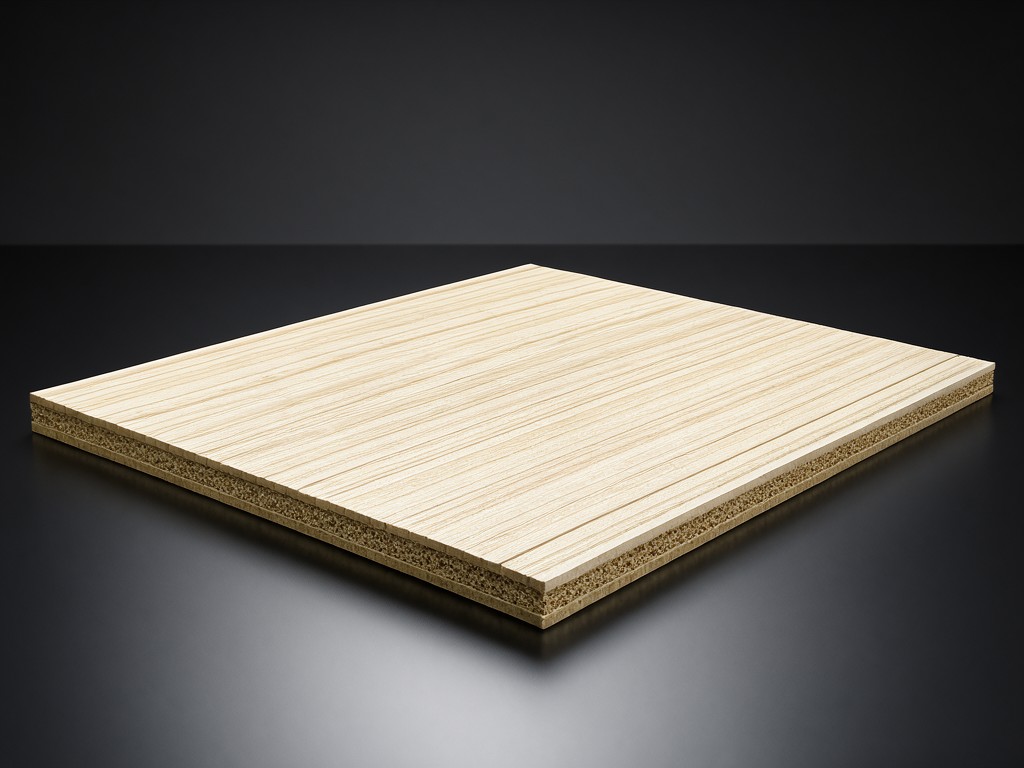
Engineered for environmental stress and mechanical impact. The skins feature higher tensile strength to prevent buckling during vehicle transport and seasonal expansion.
- High impact resistance
- UV-stabilized surface layer
- Enhanced shear strength
Assumptions Buyers Should Stop Making
Inconsistent panel thickness across batches causes alignment issues on the assembly line. If the core width varies by more than 2mm, the framing will not sit flush, requiring expensive manual onsite adjustments. We utilize CNC-cutting technology to ensure every panel meets a +/- 0.5mm tolerance across the entire order.
What Can Be Customised and What Cannot
Custom dimensions are standard to accommodate specific floor plans, reducing material waste at the manufacturer's end. However, the EPS core density and the skin-to-core adhesive chemistry are fixed for each production run to maintain the structural integrity required for CE certification.
Usage Scenarios and Segments
Our panels are specified for premium mobile home manufacturers where seasonal temperature fluctuations are extreme. The construction handles the thermal expansion and contraction cycles that typically cause seam failure in lower-floor units.
| Usage Condition | Typical Complaint | Specification Solution |
|---|---|---|
| Extreme Thermal Cycling | Delamination at edges | High-pressure chemical bonding |
| High Vibration Transport | Surface fatigue/cracking | Reinforced composite skins |
| High Humidity Exposure | Internal mold/rot | Closed-cell EPS core density |
Stock Availability and Reordering
Standard panel sizes are maintained in inventory for rapid dispatch to minimize production downtime. Custom-cut orders require a 4-6 week lead time to account for the curing process of the specialized adhesives used in structural-grade panels.



