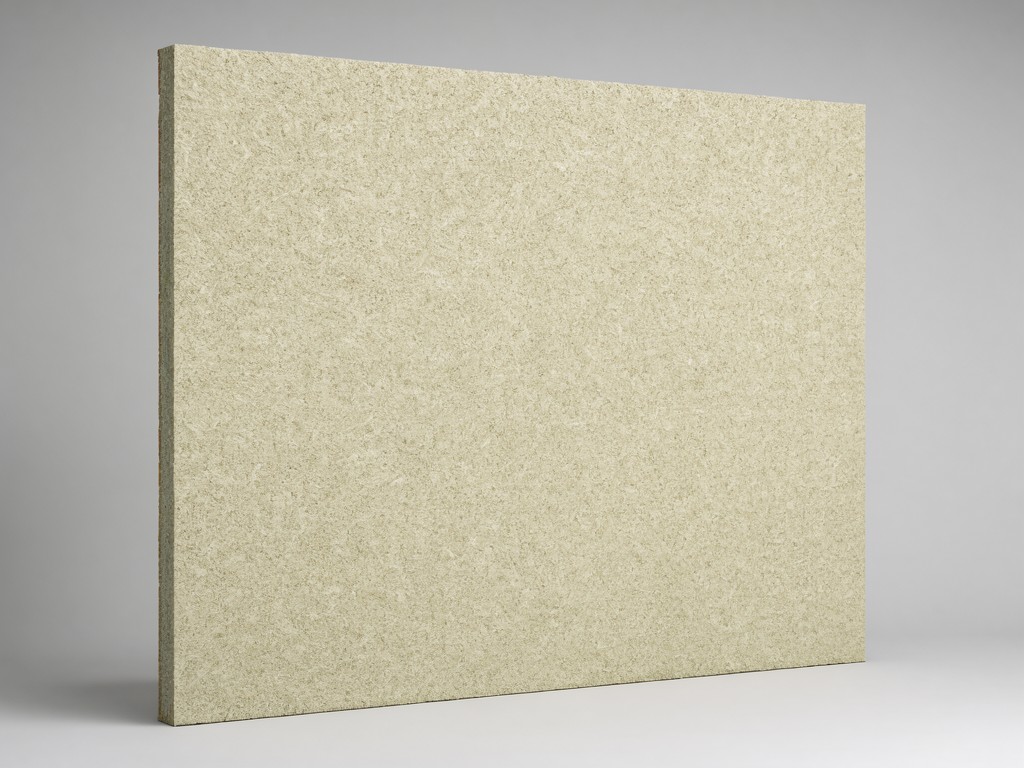
CE Certification Soundproof Rock Wool Partition Panels Factory: What Buyers Should Check
Acoustic performance depends on the density of the core and the integrity of the facing material. For bulk-level procurement, the primary technical trade-off involves the structural rigidity of the panel versus the absorption coefficient of the internal mineral. Low-density rock wool often suffers from sagging over time, which creates gaps in the partition line and compromises the sound reduction rating (NRC).
Measured Performance in Real Use
Sound insulation is measured by the Sound Transmission Class (STC) rating. While thickness contributes to low-frequency attenuation, the mass of the rock wool determines how the panel resists airborne noise. A 50mm panel with 60kg/m³ density provides significantly different resistance profiles than a thinner, lightweight variant.
- Airborne noise reduction is maximized by the mass density of the mineral wool fibers.
- Vibration-borne noise requires a decoupled construction within the partition frame to prevent mechanical transfer.
- Moisture-resistant facing prevents the rock wool from absorbing water, which would destroy acoustic properties.
Option Comparison by Usage
Selecting the right panel configuration depends on the environment's mechanical load. Industrial zones require high-impact resistance to prevent surface delamination, whereas office environments prioritize aesthetic finish and ease of fire-rating compliance.
Industrial Grade
Focuses on high-density mineral wool and reinforced metal faces. Best for high-traffic factory partitions where mechanical impact and heat are factors.
Commercial Grade
Prioritizes NRC ratings and lightweight installation. Designed for partitioned offices and educational facilities where acoustic clarity is the priority.
Matching the Product to the Need
Standard failure in soundproofing often occurs at the joints. If the partition panel dimensions vary across batches, the seal will fail, rendering the internal STC rating irrelevant. We utilize precision-cut edges to ensure dimensional consistency during large-scale installation.
| Parameter | Standard Range | Custom Option |
|---|---|---|
| Rock Wool Density | 40-100 kg/m³ | Up to 140 kg/m³ |
| Panel Thickness | 50mm - 200mm | Upon request |
| Core Material | Basaltic Rock Wool | Hybrid-fiber blends |
| Facing Material | Galvanized Steel / Glass | Acoustic fabric |
Capacity, Tooling and Scheduling
Lead times are dictated by the production volume of the rock wool extrusion. Large-scale private-label orders require a lead time that accounts for consistent density testing across the entire shipment. We provide batch traceability to ensure that every panel in a container meets the same acoustic specification.
Request a technical data sheet or current production schedule.
Keeping Orders Supplied
Maintaining a reorder rate requires strict monitoring of the manufacturing process. If the binder-mix fluctuates during production, the dampening properties of the rock wool change. Our quality control protocol monitors the phenolic resin composition to ensure that batch two remains identical to the approved sample.
Setup, Use and Replacement
Partition panels are typically installed into modular track systems. Replacement is rarely necessary if the mounting brackets allow for easy removal without damaging the mineral wool core. We recommend checking the perimeter gaskets to prevent air leakage, which is the most common failure point in soundproofing.Questions Buyers Ask Before Ordering
What does the CE certification cover for these panels?
The certification confirms the panels meet European safety standards, specifically regarding fire reaction classification and structural safety of the materials used in the partition construction.
How does the rock wool react to high humidity?
Standard rock wool is hydrophobic, but the facing material is critical. For high-humidity environments, a vapor-barrier coating is required to prevent interstitial condensation within the panel core.
Discuss custom technical specifications for your private-label project.
Contact Engineering for Quote


