CE Certified Hidden Joint Insulated Wall Sandwich Panels Exporter: Specification, Ordering and Quality Notes
Thermal performance in construction depends on the integrity of the interface. While standard tongue and groove systems often create thermal bridges at the connection point, the hidden joint configuration ensures a continuous insulation core. This design eliminates visible seam lines by utilizing an interlocking cam-profile that ensures the panel's R-value remains consistent across the entire surface area, preventing localized condensation and heat loss.
The Problem Buyers Keep Paying For
Procurement officers frequently deal with panel warping and delamination during large-scale installations. When steel skins lack sufficient tensile strength or the adhesive bond between the skin and the PIR/PUR core is inconsistent, the panels bow under thermal stress. This results in uneven gaps during assembly, which require labor-intensive on-site adjustments and delay the overall project timeline.
Consistency in the core density is equally critical. Inconsistent foam distribution leads to structural weak spots where the panel may fail to meet the load rating for mechanical fasteners. We utilize a continuous-foam extrusion process to ensure the core density remains uniform across the entire length of the panel, reducing the risk of point-failure during the wall-cladding phase.
What the Design Has to Balance
| Parameter | Technical Range | Commercial Impact |
|---|---|---|
| Panel Thickness | 50mm - 250mm | Affects U-value and freight volume. |
| Steel Skin Thickness | 0.4mm - 0.8mm | Determines structural rigidity and impact resistance. |
| Core Material | PIR / PUR / Rockwool | Dictates fire rating and thermal conductivity. |
| Joint Type | Hidden Cam-lock | Visual finish and thermal bridge reduction. |
How to Choose Before Requesting a Quote
Selecting the right coating depends on the exposure environment. For facades with high UV exposure, a high-zinc primer or PVDF coating is necessary to prevent chalking and color degradation. Internal cold storage applications can utilize standard polyester finishes, which reduces the cost-per-meter without sacrificing thermal performance.
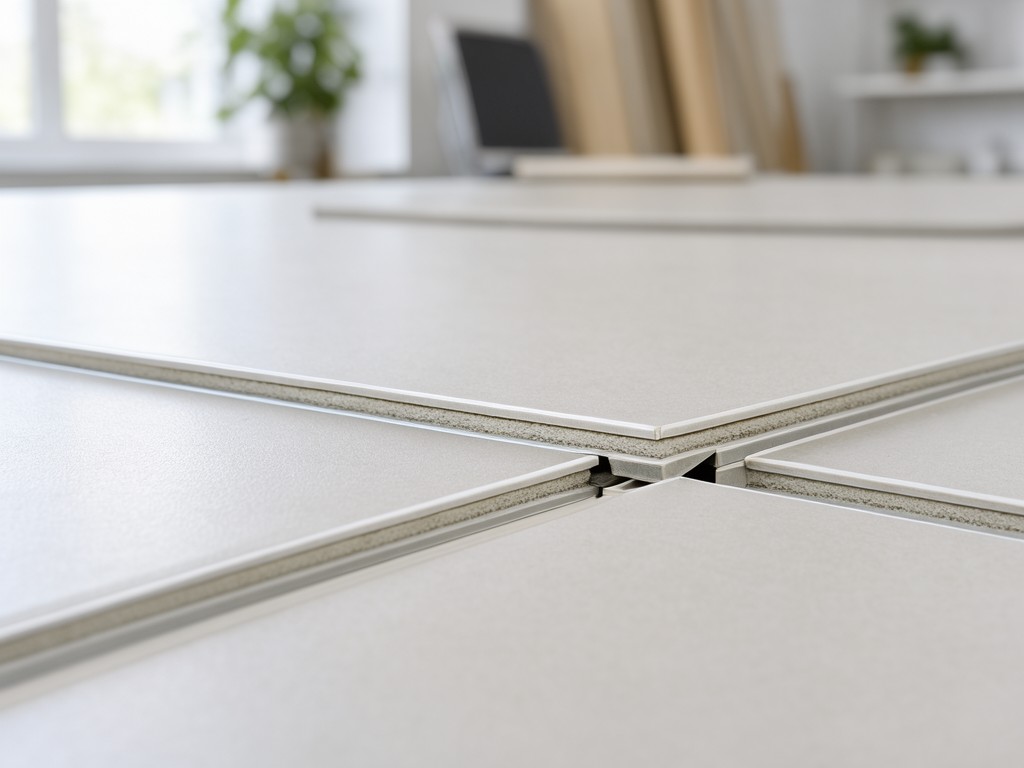
The weight-to-strength ratio is the primary trade-off for logistics managers. PIR cores offer better thermal resistance per mm, which reduces the number of panels required, but increases the raw material cost. If the project is budget-sensitive and insulation is secondary, rockwool-filled panels provide the necessary fire rating despite the increased weight and thickness requirements.
OEM and ODM Structure
Customization allows for specific profile geometries to match architectural requirements. We provide custom-length production to minimize on-site cutting, which directly reduces project labor costs. This process requires detailed technical drawings to ensure that the hidden joint alignment maintains structural integrity across non-standard production runs.
- Custom RAL color matching via high-precision coil coating lines.
- Pre-perforated channels for mechanical and electrical service integration.
- Specific edge profiles for specialized thermal-break-coupling.
- Tailored fire-rated core densities for regional building code compliance.
Volume and Lead Time
Lead times are dictated by raw material availability and production capacity scheduling. Standard-stock thicknesses are typically available within 21-28 days, while custom-spec skins or specialized fire-rated rockwool cores may extend this window. Bulk orders require a phased planning strategy to secure production slots and ensure batch consistency across multiple shipments.
| Metric | Standard Specification |
|---|---|
| Minimum Order Quantity | 1000 sqm (or full container load) |
| Standard Lead Time | 30-45 days depending on volume |
| Certification | CE Marking / EN 13741 compliant |
Stock Availability
Inventory levels for common profiles and core thicknesses are maintained to support rapid deployment. For large-scale infrastructure projects, we recommend a forecast-based ordering system six months in advance to lock in material pricing and protect against fluctuations in steel and foam markets.
Request technical data sheets or a formal quote for your project specifications.
Contact Technical Sales Team


