Custom Fireproof Rock Wool Sandwich Wall Panels Factory Specification Guide
Thermal stability and structural integrity depend entirely on the rock wool core density and the bond strength of the outer skins. When core density fluctuates below 60kg/m³, the panel loses its resistance to thermal deformation, leading to sagging under high-temperature exposure. Our manufacturing process utilizes a continuous lamination line to ensure the mineral fiber maintains maintains uniform distribution, preventing the delamination often seen in batch-processed alternatives.
How It Performs In Use
In industrial envelope applications, the primary failure mode is dimensional expansion mismatch between the skin and the core. If the steel-gauge or polymer coating lacks sufficient tensile strength, moisture absorption in the core causes the panel to buckle at the fastener points. We specify specific high-tensile adhesive resins to ensure the panel remains flat across varying temperature gradients, maintaining the air-leakage class required for high-performance envelopes.
The trade-off exists between panel thickness and structural load-bearing capacity. A 150mm panel provides superior R-value performance but increases the dead load on the supporting frame. For most wholesale-scale projects, a 75mm to 100mm configuration offers the best balance between thermal resistance and handling speed during installation.
Construction Method And Effect On Consistency
The extrusion process for the rock wool determines the acoustic absorption coefficient of the final assembly. Inconsistent fiber length leads to air pockets within the core, which reduces the sound transmission class (STC) rating. By utilizing automated tension control during the fiber-forming stage, we ensure that the core thickness remains within a ±1.5mm tolerance across the entire production run.
| Parameter | Standard Grade | Custom Industrial Grade |
|---|---|---|
| Core Density | 60-80 kg/m³ | 100-140 kg/m³ |
| Skin Thickness | 0.5mm Steel | 0.7mm - 1.2mm / Composite |
| Finish Options | Galvanized | PVDF / PE / Pre-coated |
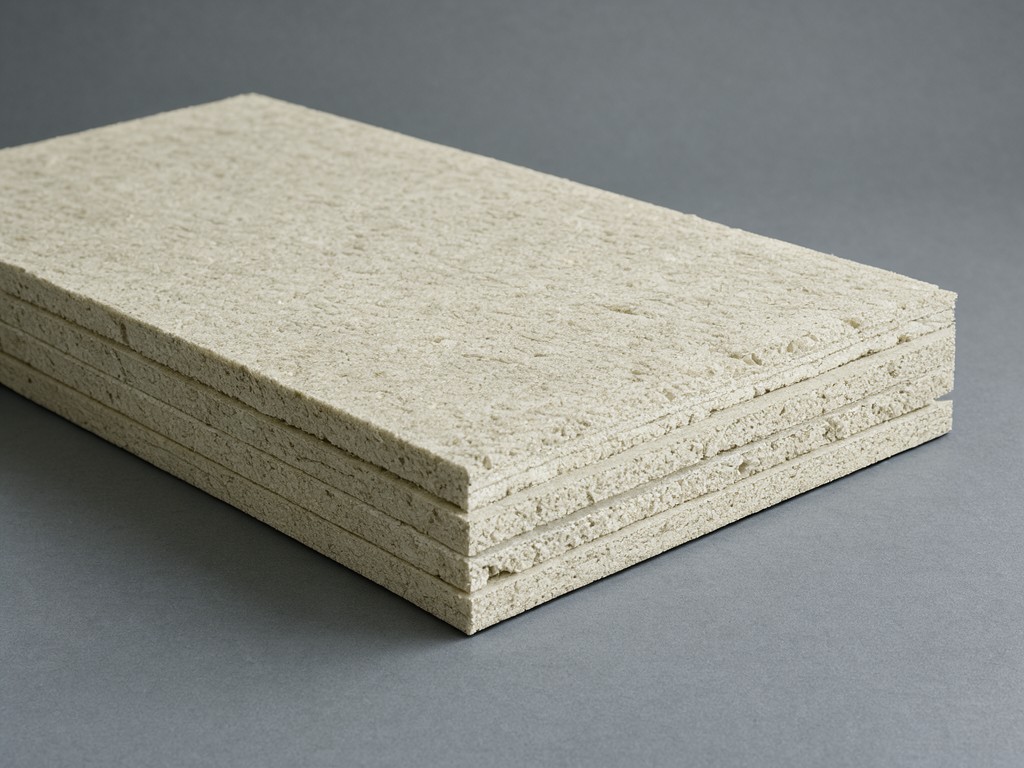
Where This Product Beats Alternatives
Standard mineral wool panels often rely on phenol-based binders that degrade under high humidity. Our custom rock wool formulation uses a heat-set resin process that prevents the core from becoming brittle over time. This is critical for wholesale buyers serving coastal or high-humidity climates where moisture-related rot in standard de-bonded stock is a common complaint.
Surface Finish Options
- Micro-ribbed profile for architectural aesthetics.
- Flat profile with hidden ribs for maximum structural rigidity.
- UV-resistant polymer coatings for exposed-facing facades.
Jointing Systems
- Tongue and groove for rapid-clip installation.
- Interlocking lap joints for enhanced thermal break continuity.
- Custom cam-locks for specialized structural requirements.
What Gets Checked
Quality control begins with shear strength testing of the skin-to-core bond. If the bond strength falls below the specified Newton per meter, the batch is rejected to prevent field-site separation during transport. We also perform dimensional checks on every 50th panel to ensure the profile geometry remains consistent for alignment, preventing costly on-site adjustments.
Capacity And Scheduling
Lead times for custom orders are dictated by the skin material availability and the specific mineral fiber density required. For standard gauges, we maintain a 14-21 day production window, whereas specialized architectural profiles or high-density cores may require a 6-8 week lead to account for tooling setup and material curing times.
Packing And Logistics
Panels are crated on moisture-treated pallets to prevent edge damage during maritime transit. Each bundle is wrapped in a moisture-barrier polyethylene to protect the rock wool core from absorbing vapor before installation. For wholesale shipments, we provide pallet weight specifications to ensure compatibility with the site's crane-loading equipment.
Care And Service Life
Proper storage involves keeping panels off the ground on a level surface to prevent warping of the metal skins. While the rock wool is inherently inert, the outer coating can oxidize if left in standing water. When installed correctly, these assemblies are designed for a service life exceeding 30 years in industrial and commercial environments.
Request a technical data sheet or bulk quote for your specific project.
Contact our engineering team for custom specifications


