custom pir core cold room sandwich panel china factory: Specification, Ordering and Quality Notes
Thermal bridging in cold storage originates not from the insulation material itself, but from the mechanical bond between the polyisocyanurate (PIR) core and the steel skins. When this bond fails, thermal expansion cycles cause delamination, leading to localized condensation and eventual structural compromise. For an importer or wholesale buyer, the cost of a panel is not measured solely by its initial R-value, but by the dimensional stability of the joint after five years of rapid temperature fluctuations during loading dock operations.
Scope of Supply and Physical Form
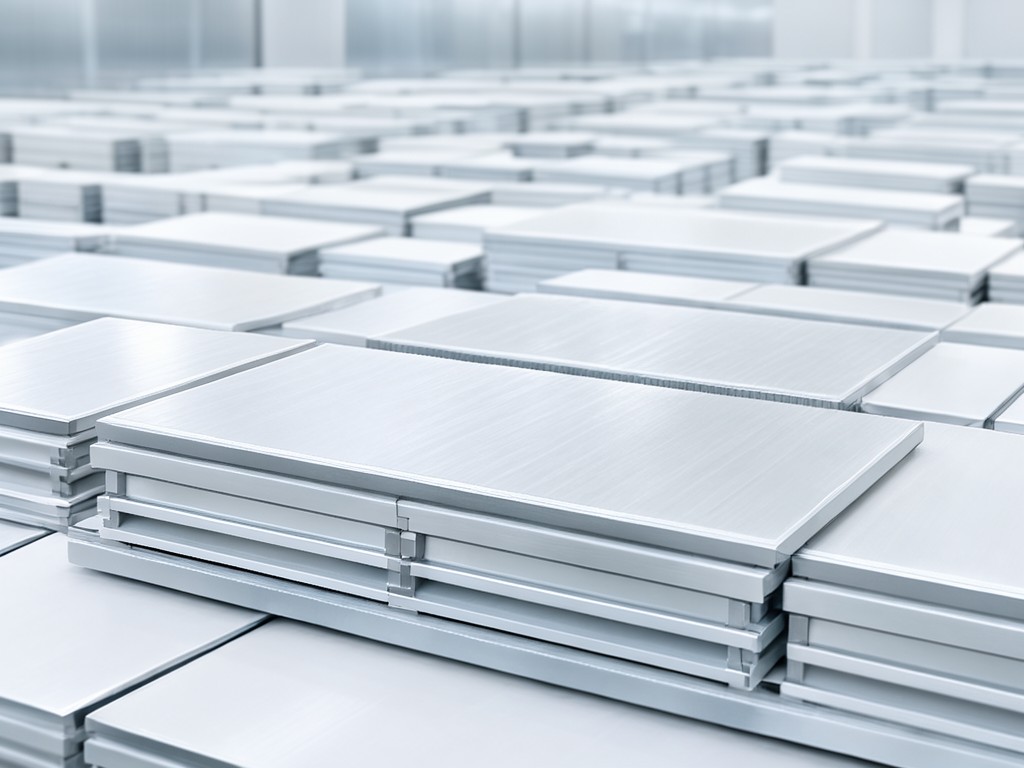
The factory produces panels with interlocking tongue-and-groove systems designed to minimize air leakage at site assembly. The skins typically consist of 0.5mm to 0.7mm galvanized steel sheets, finished with polyester or PVDF to resist chemical corrosion from cleaning agents. We provide varying core thicknesses ranging from 50mm for chilled rooms to 200mm+ for sub-zero blast freezers.
Configuration extends to the profile geometry of the cam-lock mechanisms, which allow for rapid onsite assembly without the need for external fasteners. This ensures that the thermal envelope remains airtight under pressure, reducing the energy load on refrigeration compressors and extending their operational lifespan.
Where This Product Beats Standard Alternatives
Standard PUR (polyurethane) foam panels often suffer from thermal degradation when exposed to high heat during transport or localized fire events. Our PIR core utilizes a cross-linked chemical structure that maintains structural integrity up to 125°C. This stability prevents the "sagging" effect seen in lower-grade panels when they support weight over long spans.
| Feature | Standard PUR | Custom PIR Grade |
|---|---|---|
| Thermal Stability | Moderate at >90°C | Stable up to 125°C |
| Compressive Strength | 150 kPa | 250-400 kPa |
| Bond Strength | Standard Adhesive | High-Pressure Lamination |
Assumptions Buyers Should Stop Making
Many importers assume that a thicker panel always correlates to better performance. In reality, the quality of the foam-to-metal bond is the critical variable. If the lamination process is inconsistent, the panel will warp under its own weight during thermal cycling, regardless of the core thickness. Furthermore, the finish on the steel skin is often overlooked; a low-grade coating will chalk within two seasons in high-humidity food environments, leading to rust that eventually penetrates the insulation core.
OEM and ODM Programme Structure
We accommodate custom specifications for specific regional climate requirements. This includes adjusting the PIR density for extreme-cold performance or modifying the skin profile for specific structural loads.
- Custom skin thickness from 0.4mm to 1.0mm steel.
- Specific RAL color matching via PVDF coatings for branding consistency.
- Custom-length production to minimize on-site waste and thermal bridging.
- Integration of specialized cam-lock profiles for heavy-duty doors.
What Gets Checked Before Shipment
Every batch undergoes dimensional tolerance checks to ensure interlocking across the entire order. We measure bond strength using tensile testing to ensure the PIR does not delaminate under stress. We also verify that the core thickness remains within ±1.5mm of the nominal value, as deviations directly impact the thermal calculations of the end-user.
Keeping Repeat Orders Supplied
Consistency is maintained through strict chemical batch control of the foaming agents. By stabilizing the manufacturing process, we ensure that the PIR cell distribution remains uniform across different production runs. This prevents the "performance drift" where the second shipment of a project has different thermal conductivity values than the first.
Ordering, Tooling and Lead-Time Questions
Lead times fluctuate based on steel coil availability and the complexity of the skin finish. Standard profiles are typically shipped within 14-21 days, while custom tooling for specialized finishes may require an additional 10-day setup. For detailed technical quotes, please provide your thermal load requirement sheets.
Frequently Asked Questions
How does the core handle rapid temperature drops?
The cross-linked structure of the PIR core provides higher dimensional stability compared to standard foam, preventing the internal cracking often seen in panels used in -30°C environments.
What is the minimum order quantity for custom skin colors?
The MOQ is 500 square meters for custom PVDF finishes to account for the setup costs of the coating line.
Are the panels suitable for floor-bearing applications?
Yes, provided the high-density core and reinforced steel skin are specified to withstand the calculated forklift point loads without impact damage.



