Custom Standing Seam Insulated Metal Roof Panels Factory: What Buyers Should Check Before Ordering
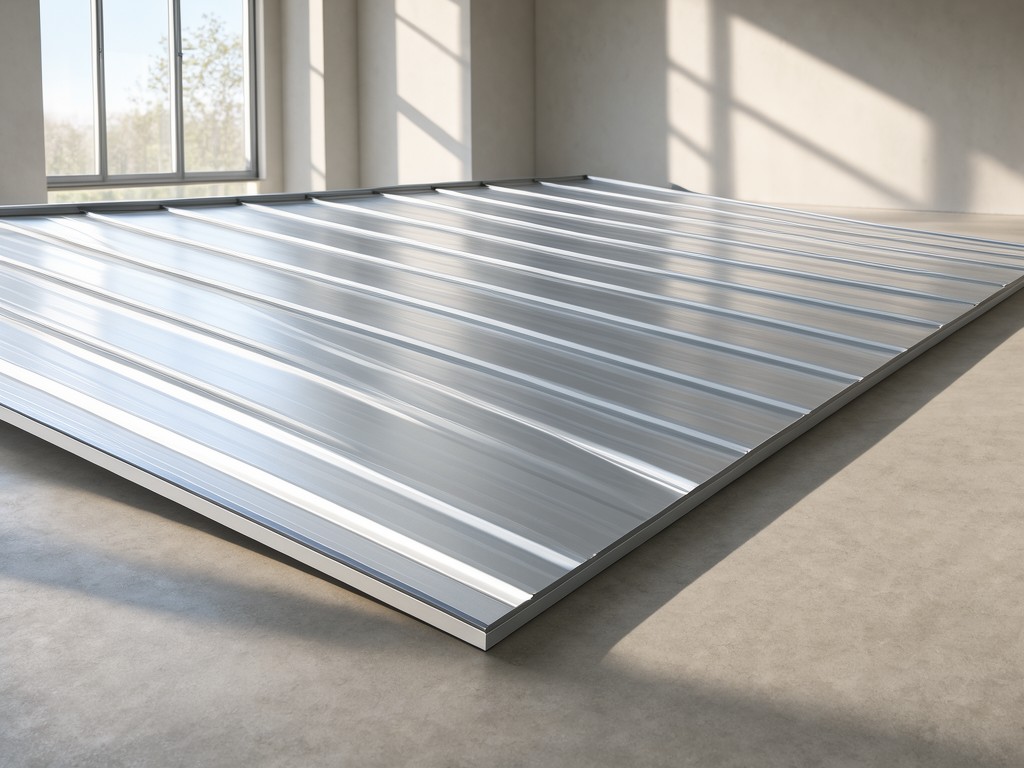
Cheaper stock options often fail at the worst point in the lifecycle due to poor core-bond adhesion. When procuring for large-scale industrial projects, the total cost of ownership shifts once the replacement rate and thermal expansion stresses are counted. A factory-direct approach must prioritize the precision of the seam profile and the mechanical integrity of the standing lock to ensure the envelope remains watertight under high wind loads.
| Parameter | Technical Specification Range |
|---|---|
| Substrate Skin Thickness | 0.45mm - 0.80mm (Galvalume/Aluminum) |
| Insulation Core Material | Polyurethane (PUR), Polyisocyanurate (P), Mineral Wool |
| Total Panel Thickness | 50mm - 200mm |
| Seam Profile Type | Mechanical Snap Lock / Double Lock |
Option Comparison by Level
Selection of the core density dictates the R-value and the structural rigidity of the panel. Long-span applications typically require high-density PIR foam to prevent oil canning under snow loads, whereas standard commercial spans may function with lower-density mineral wool to meet specific fire-rating requirements.
Industrial Grade Configuration
- High-gauge steel skins for heavy-duty impact resistance.
- Double-lock mechanical seams for maximum water ingress protection.
- Corrosion-resistant coatings for coastal environments.
Commercial Retail Configuration
- Lightweight profiles to reduce structural steel costs.
- Snap-lock systems for rapid on-site installation.
- Varied aesthetic finishes for architectural visibility.
Matching the Product to the Need
Procurement officers must balance the weight of the panel against the shipping logistics. A thicker insulation core with a thin skin might offer better thermal performance but may delaminate during extreme thermal cycling in desert climates. We utilize a continuous foam extrusion process to ensure the metal skin remains bonded to the insulation core across the entire surface area of the run.
Buying Mistakes That Lead to Returns
The most common failure in private-label sourcing is ignoring the thermal expansion coefficient of the metal skin. If the panel length is not calculated to allow for movement, the standing seams will buckle during the first summer peak. Additionally, failing to specify the correct adhesive grade for the core leads to premature separation at the cut edges where the core is exposed.
- Neglecting the UV-rating of the exposed topcoat.
- Using standard-grade fasteners for high-load-span roofs.
- Incorrect dimensional site measurements leading to custom-cut lengths.
Who Uses It and Where It Matters
Logistics hubs and cold storage centers utilize these panels to maintain strict internal temperatures while minimizing energy expenditure. In food-processing facilities, the focus shifts to the antimicrobial properties of the coating to prevent mold growth. For architectural projects, the priority is the strength-to-weight ratio and the aesthetic versatility of the profile.
Capacity, Tooling and Scheduling
Production lead times are dictated by the availability of specific coil gauges and the tooling required for custom seam profile. High-volume orders allow for the amortisation of custom die sets, reducing the per-meter cost for the importer. We schedule production runs to ensure batch consistency across multiple shipments, preventing color variance issues.
Ordering, Tooling and Lead-Time Questions
What is the minimum order quantity for custom seam profiles?
Standard custom runs start at 500 linear meters to cover the setup and calibration time required for the roll-forming line.
Can the insulation core be customized for specific fire ratings?
Yes, we provide PUR, PIR, and mineral wool cores depending on the regional building code requirements of the project.
How are the panels protected during international transit?
Panels are bundled on reinforced steel frames with edge-protective bracing to prevent deformation of the standing seams during sea-freight.
Request a technical data sheet and quote for your project.
Contact our Engineering Team for Custom Specifications


