Custom Walk In Cooler Insulated Floor Panels Factory: Specification, Ordering and Quality Notes
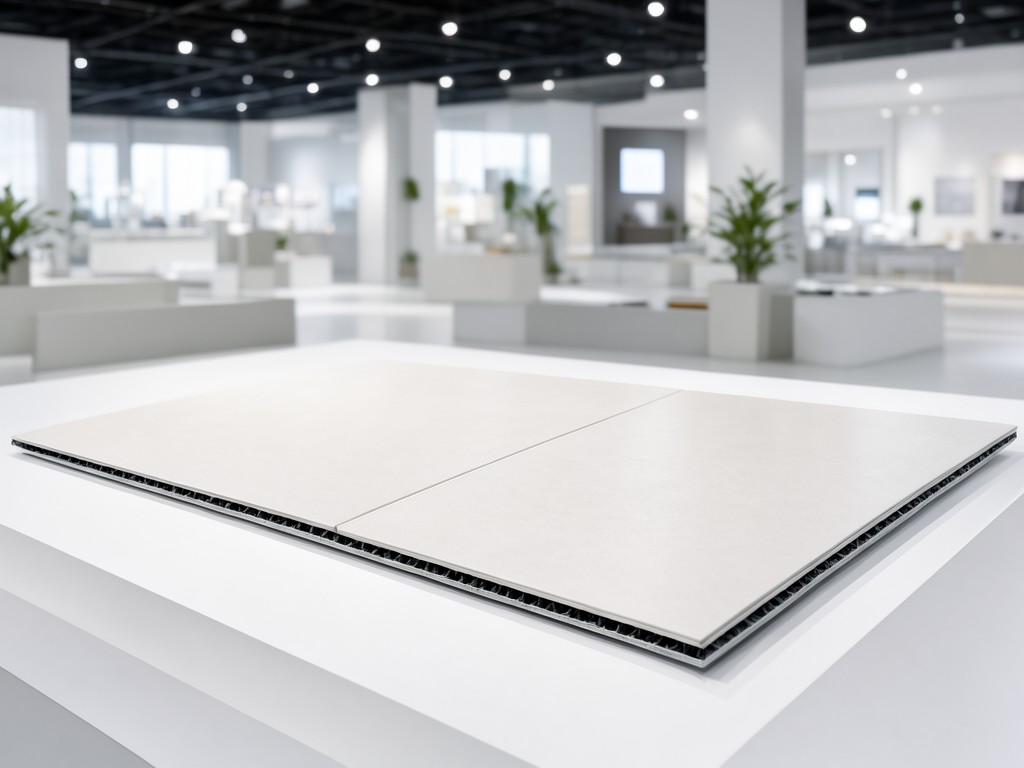
Thermal bridging in cold storage environments often originates at the structural interface between the floor and the sub slab. When the insulated core fails to maintain a uniform thermal barrier, localized temperature fluctuations lead to ice formation and structural delamination of the floor membrane. Our facility utilizes a high-pressure polyurethane foam injection process to ensure the panel core remains bonded to the galvanized steel skins, preventing the air pockets that typically cause premature cracking under heavy pallet jack traffic.
What This Product Is and Where It Fits
These panels are engineered to provide the primary thermal envelope for sub-zero refrigeration units. They serve industrial kitchens, food processing facilities, and cold-chain transport hubs. The construction focuses on minimizing R-value loss per inch while maximizing the surface resistance for food-grade environments.
- Sub-floor insulation for walk-in freezers ranging from -18°C to -2°C.
- Modular flooring systems for rapid-deployment commercial cold rooms.
- Thermal-break base plates for industrial-grade refrigerated storage units.
Measured Performance in Real Use
Performance is judged by the dimensional stability of the panel and the shear strength of the face bond. In high-humidity environments, moisture ingress at the joints is the most common failure mode, leading to corrosion of the internal steel skin. We test the bond-to-core integrity to ensure that the internal structure does not separate under 5,000 cycles of flexural stress.
| Parameter | Standard Range |
|---|---|
| Thermal Conductivity | 0.022 - 0.028 W/m·K |
| Compressive Strength | 150 - 400 kPa (depending on density) |
| Water Absorption | ≤ 0.5% by volume |
| Thickness Tolerance | ± 1.0 mm |
Comparing Two Configurations
Selecting the right configuration depends on the expected floor load and the ambient temperature differential. High-traffic loading docks require thicker skin gauges to prevent denting from the wheels of heavy-duty pallet jacks.
Standard Grade
Best for retail-grade coolers and light commercial storage. Uses 0.5mm galvanized steel and standard-density foam. Optimized for cost-efficiency where point impact is limited.
Heavy Duty
Designed for industrial food processing. Features 1.2mm to 1.5mm reinforced skins and high-density foam cores. Built to withstand constant mechanical shear and extreme thermal gradients.
Buying Mistakes That Lead to Returns
Most warranty claims stem from improper joint sealing or insufficient skin thickness. If the panel edges are not precision-cut, moisture penetrates the foam core, leading to expansion and subsequent buckling of the surface. Furthermore, using panels with low-density foam in high-traffic areas results in surface deformation within the first six months of operation.
- Ignoring the R-value requirements for specific sub-zero temperature targets.
- Failing to account for thermal expansion of the steel skins in long span installations.
- Specifying non-corrosion-resistant skins for environments with frequent wash-down cycles.
OEM and ODM Structure
We provide custom manufacturing for OEMs who require specific architectural integrations. This includes integrated drainage channels or specialized interlocking tongue and groove mechanisms for compatibility with existing wall systems.
- Phase 1: Technical review and load-bearing simulation.
- Phase 2: Prototype production for thermal-bridge testing.
- Phase 3: Batch production with individual panel-tag traceability.
- Phase 4: On-site support for moisture-barrier verification.
Inspection Items and Test Methods
To ensure batch consistency, every order undergoes a battery of checks. We focus on the structural integrity of the core and the adhesive strength of the bond to prevent delamination in the field.
| Test Method | Objective |
|---|---|
| Pull Shear Test | Verify skin-to-foam bond strength |
| Dimensional Variance | Ensure tight fit for interlocking joints |
| Core Density Check | Confirm internal thermal resistance consistency |
Export Packaging and Handling
Panels are packed on reinforced timber crates to prevent edge damage during maritime transit. We utilize moisture-barrier wrapping for each pallet to ensure the foam core is not exposed to humidity during long-duration sea freight.
Frequently Asked Questions
What is the maximum thickness available for custom panels?
We typically manufacture panels up to 200mm-300mm thickness depending on the specific R-value requirements of the freezer unit.
Can the skins be finished with anti-slip coatings?
Yes, we can apply PVC-coated or textured aluminum finishes to the top surface to meet safety standards in wet environments.
Request a technical specification sheet for your project
Contact Engineering for Quote


