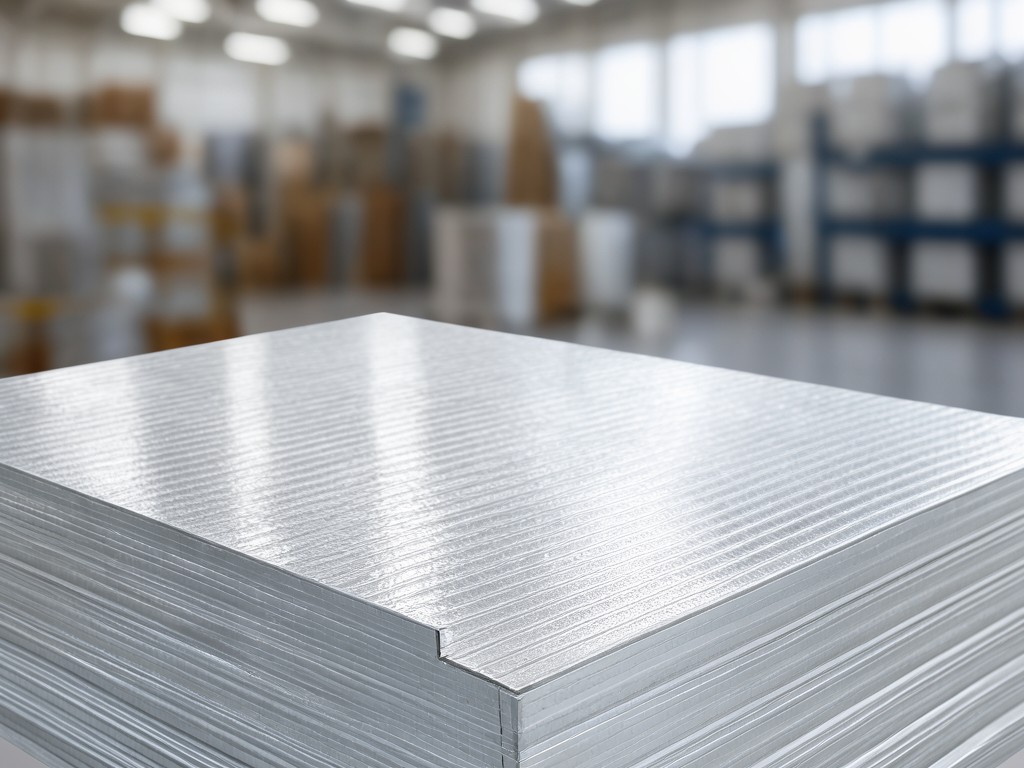
Durable 120mm PU Cold Storage Insulated Panels Suppliers: What Buyers Should Check Before Ordering
Thermal resistance in refrigeration depends on the density of the polyurethane (PU) core and the bond strength to the skin. For 120mm panels, a higher density foam—typically 40-45 kg/m³—prevents internal voids and sagging under the weight of heavy racking or mechanical cooling units. Procurement officers often prioritize the R-value, but the structural integrity of the panel is determined by the gauge of the pre-coated steel. If the adhesive bond is inconsistent, thermal fluctuations will cause delamination at the edges, leading to localized heat loss and increased compressor cycle frequencies.
Materials and Construction Trade-offs
The choice between galvanized steel and stainless steel skins dictates the long-term maintenance cost of the cold storage environment. While stainless steel offers superior resistance to corrosive cleaning agents and impact damage, the initial capital expenditure per square meter increases significantly. For standard dry chill applications, 0.5mm galvanized steel with a polyester or PVDF coating provides sufficient protection, provided the environment is not subject to constant moisture-induced oxidation.
- Polyester coatings offer high color retention but are prone to mechanical scratching in high-traffic wash-down zones.
- Cam-and-groove joints ensure a tight mechanical seal, reducing the thermal bridging that occurs with simple tongue and groove configurations.
- PU-foam cores provide better insulation values than PIR (polyocyanurate) but may lack the structural rigidity required for wide-span walls.
Where This Beats Standard Alternatives
Standard panels often fail at the joints where thermal expansion and contraction create air gaps. High-grade 120mm PU panels utilize an interlocking profile that maintains a continuous seal even under rapid temperature cycling. For a wholesale buyer, this reduces the risk of frost buildup, which is the primary cause of energy efficiency loss in sub-zero freezer units.
| Parameter | Specification Range |
|---|---|
| Foam Density | 38-42 kg/m³ |
| Thermal Conductivity | 0.022-0.024 W/m·K |
| Compressive Strength | 150-250 kPa (at 10% deformation) |
| Panel Thickness Tolerance | ±0.5 mm |
Customisation Options and Their Limits
Project requirements often demand specific panel lengths to minimize the number of joints in a warehouse. However, increasing panel length elevates the risk of bowing during transport if the internal foam core is not sufficiently reinforced. Buyers must balance length requirements with the thickness of the skin to ensure the 120mm profile remains flat after installation.
Surface Finishes
Antimicrobial coatings are available for food-grade storage to prevent mold growth. These finishes are integrated into the paint layer to ensure they do not wear off under abrasion.
Joint Profiles
Customized interlocking profiles allow for the integration of thermal-break gaskets, reducing the need for sealant labor during the final assembly phase.
Who Uses It and Where It Matters
Cold chain logistics providers utilize 120mm panels to maintain strict temperature gradients in high-throughput distribution centers. In these environments, the panel's ability to withstand frequent door openings and closures is as critical as its insulation properties. For distributors, sourcing panels with consistent dimensional accuracy across batches ensures that on-site installation proceeds without costly field modifications.
Keeping Repeat Orders
Long-term procurement contracts rely on the supplier's ability to maintain chemical consistency in PU production. Variations in foam chemistry between batches can alter the thermal expansion coefficient of the panels, leading to misalignment in large builds. Reliable suppliers provide batch-specific test reports to verify that every shipment matches the performance profile of the initial approved sample.
Request technical specifications and bulk pricing for 120mm PU insulated panels.
Contact our technical team today


