Durable Glass Magnesium Sandwich Wall Panels China Supplier: Specification and Quality Notes
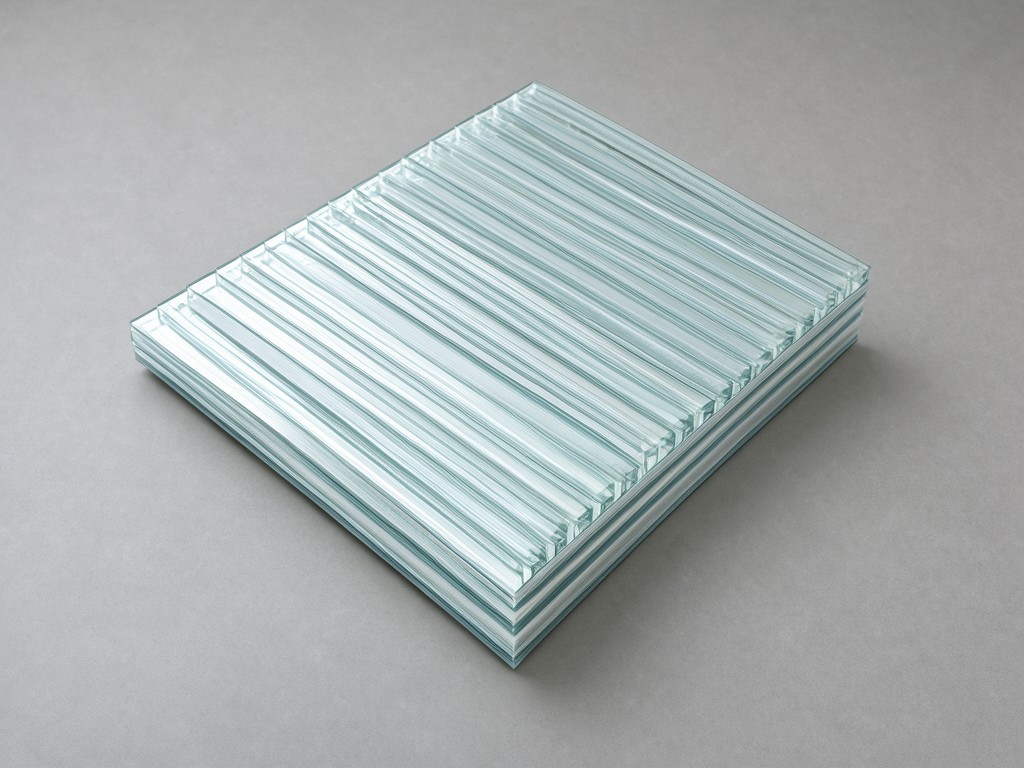
Building envelopes and interior partitioning require materials that balance thermal stability with impact resistance without significant weight penalties. Magnesium oxide sandwich panels utilize a high-density mineral core bonded between two tempered glass sheets to provide fire-retardant properties. This construction specifically addresses the common delamination issues seen in foam-core alternatives when exposed to high humidity or fluctuating thermal gradients.
Structural Integrity Protocol
The magnesium oxide core is processed via high-pressure pressing to ensure a moisture absorption rate below 0.5%. This prevents the internal swelling and buckling that characterizes lower-grade mineral boards during installation in exposed architectural applications.
Material Configuration and Performance
Performance in the field is primarily dictated by the bond strength between the glass substrate and the magnesium core. We utilize specialized polyurethane-based adhesive resins that maintain shear strength even after 500 thermal cycles. For projects requiring high load-bearing capacity, the 12mm core thickness provides the necessary rigidity compared to the 6mm variant used for lightweight decorative cladding.
| Parameter | Standard Specification Range | Industrial Benefit |
|---|---|---|
| Core Density | 800 - 1200 kg/m³ | Enhanced impact resistance and acoustic damping |
| Thermal Conductivity | 0.15 - 0.22 W/m·K | Reduced energy loss in building envelopes |
| Fire Rating | Class A (Non-combustible) | Safety compliance for high-traffic commercial zones |
| Flexural Strength | ≥ 15.0 MPa | Dimensional stability under wide-span loads |
Capacity and Tooling
Procurement managers must evaluate the consistency of panel dimensions to minimize onsite cutting waste. Our production line utilizes CNC precision-cutting to maintain tolerances within ±0.5mm across the entire run. This precision ensures that joint-fit installations require minimal trimming, reducing the labor hours associated with large-scale cladding projects.
- Custom thickness available from 6mm to 30mm based on structural load-requirements.
- Surface finish options include frosted, tinted, or ceramic-coated glass for UV resistance.
- Edge treatments: square, beveled, or notched for seamless visual interlocking.
Stock Availability and Planning
Lead times are influenced by the volume of specific glass-type requested. Standard 12mm clear panels are maintained in rolling inventory for immediate dispatch, whereas custom-colored glass or high-density magnesium cores typically require a 3-4 week production window. This timeline accounts for the curing process of the magnesium composite which is vital for preventing future shrinkage.
Bulk Logistics
Panels are packed in reinforced steel-framed crates to prevent edge chipping during transit. Each pallet is labeled with batch traceability codes for traceability and material composition analysis.
Quality Assurance
Every batch undergoes a pull-off test to verify bond integrity and a moisture check to ensure the core is fully cured.
Packing and Freight
Protection of the glass face is the primary concern during long-haul shipping. We utilize EPE foam spacers between each panel to prevent abrasion-induced scratches. For international sea freight, pallets are shrink-wrapped with moisture barrier film to prevent salt-air ingress during the transit period.
Setup and Use
| Usage Condition | Typical Failure | Specification Mitigation |
|---|---|---|
| Exterior Facade | UV fading / Delamination | Tempered glass with UV-stabilized resin |
| High Humidity Zones | Core expansion | Low-moisture-absorption Mg core |
| Internal Partitioning | Impact cracking | High-density mineral core reinforcement |
Ordering and Lead-Time Questions
What is the minimum order quantity for custom glass dimensions?
Custom sizing typically requires a MOQ of 500 square meters to offset the setup time for the CNC cutting equipment and the initial core pressing molds.
Can the panels be printed with specific architectural graphics?
Yes, the glass surface is compatible with digital ceramic printing or traditional silk screening, provided the protective coating is applied after the magnesium-core bonding process.
Request technical data sheets or material samples
Contact our engineering department for a wholesale quote


