Specifying durable mgo rock wool cleanroom sandwich panel manufacturer for Wholesale and OEM
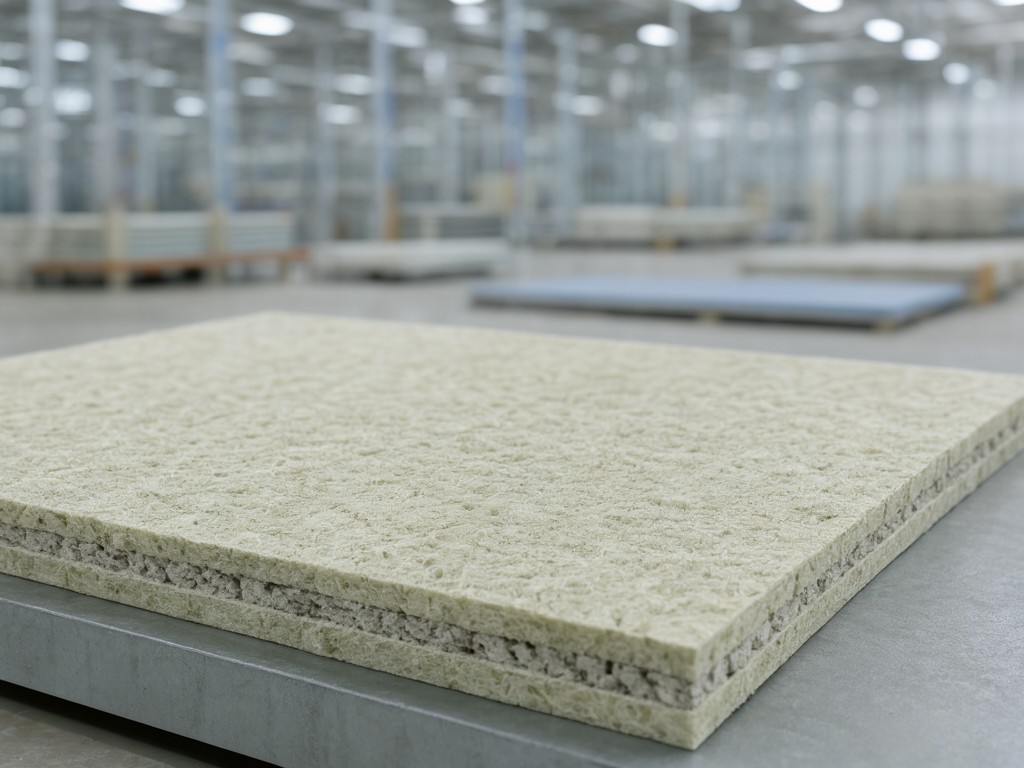
Structural integrity in cleanroom environments depends on the dimensional stability of the core material under thermal stress and humidity fluctuations. While standard cores may suffer from shrinkage or delamination over repeated cycles, magnesium oxide (MGO) rock wool maintains a rigid internal matrix that prevents panel bowing. This ensures that airtight seals remain effective across the life of the facility, preventing the accumulation of particulate matter in compromised joints.
Technical Note: The MGO rock wool core provides inherent fire resistance compared to standard synthetic mineral fibers, reducing the risk of structural degradation in high-moisture pharmaceutical processing zones.
Scope of Supply and Physical Form
Selection of skin thickness determines the load-bearing capacity and impact resistance of the panel assembly. For high-traffic corridors, a 0.5mm galvanized steel skin is typically required to prevent surface abrasion from equipment impact. The bond between the MGO core density and the steel skin affects the overall thermal resistance R-value; higher density cores improve acoustic damping but increase the total weight per square meter.
| Parameter | Specification Range |
|---|---|
| Panel Thickness | 50mm to 300mm |
| Core Density | 80kg/m³ - 120kg/m³ |
| Skin Material Thickness | 0.4mmmm - 1.2mm |
| Joint System | Tongue and Groove / Camrel-lock |
Matching the Product to the Need
Procurement officers must balance the thermal conductivity requirements against the mechanical demands of the cleanroom. The following logic determines the appropriate configuration based on the specific environmental stressors:
- If the environment requires frequent chemical sterilization: Prioritize a high-zinc or PVDF coating on the steel skin to prevent corrosion from aggressive cleaning agents.
- If the panel serves as a load-bearing partition: Specify a minimum 75mm thickness with high-density rock wool core to minimize lateral deflection under suspended equipment loads.
- If acoustic isolation is the primary KPI: Utilize the 100mm+ configuration with increased core density to reduce sound transmission between production zones.
- For rapid assembly in retrofit projects: Select the cam-lock joint system to reduce installation labor hours and ensure precise alignment without specialized mechanical fasteners.
Buying Mistakes That Lead to Returns
Low-cost manufacturers often utilize inferior bonding agents between the MGO core and the skin. If the adhesive application process is inconsistent, the panels will delaminate during temperature cycling, leading to air pockets and structural failure. Furthermore, failing to specify the correct coating grade for the steel skin results in premature oxidation in humid environments, compromising the ISO class rating of the room.
What Can Be Customised and What Not
Customizable Options
- Custom RAL color-powder-coated skins
- Pre-perforated openings for HVAC HEPA filter integration
- Specialized anti-microbial internal surface finishes
- Variable panel widths to match site-specific dimensions
Fixed Specifications
- Core material composition (MGO Rock Wool)
- Standard fire-rating classifications
- Base thermal conductivity limits
- Structural tensile strength of the steel skin
Stock Availability and Planning
Production lead times fluctuate based on the availability of specialized MGO fibers and steel-gauge coils. Large-scale OEM orders require a 4-to-6 week window to ensure the curing process of the core is not compromised. Standard dimensions are maintained in inventory for immediate dispatch to support maintenance projects.
Packing, Marking and Freight
Panels are shipped on reinforced steel-framed crates to prevent damage to the edges during transit. Each bundle is marked with batch numbers, dimensional data, and fire-rating certifications to ensure traceability during the installation phase.



