Durable Polyurethane Metal Carved Exterior Wall Panels Suppliers: Specification and Supply Guide
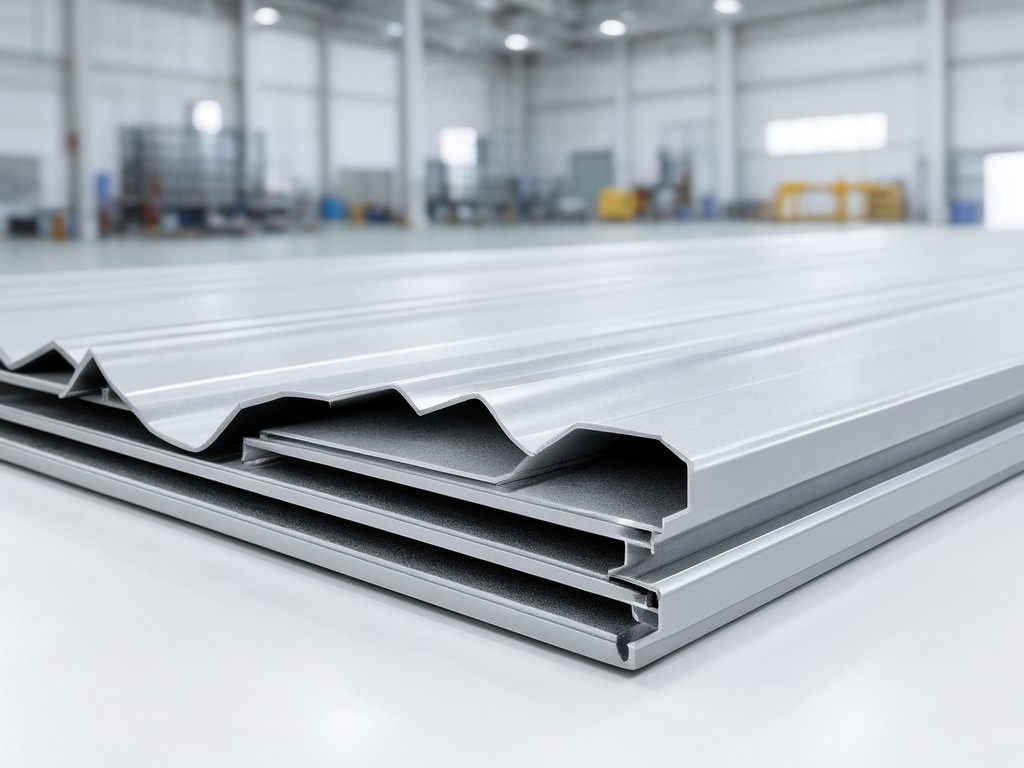
Sourcing high-performance exterior cladding requires evaluating the bond between the polyurethane core density and the structural integrity of the metal substrate. For large-scale procurement, the primary trade-off exists between the depth of the carved detail and the impact resistance of the panel under thermal expansion fluctuations. High-density polyurethane cores provide dimensional stability in extreme UV exposure, but they increase the weight per square meter, which impacts the dead load requirements for light-frame constructions.
The integration of carved metal faces into a polyurethane matrix allows for complex architectural geometries that traditional stone or composite materials cannot match. Procurement officers must verify the adhesive bond between the metal skin and the foam to prevent delamination during rapid temperature cycling. If the thermal coefficient of expansion is not matched between the two materials, the panel will exhibit shear stress at the fastening points within three to five years of seasonal exposure.
Design Constraints Behind the Specification
Weathering in carved panels often originates from moisture ingress into the decorative grooves where water can pool and freeze. Suppliers address this by utilizing hydrophobic coatings on the metal surface and ensuring the polyurethane core is closed-cell to prevent capillary action. If the carving process creates micro-fractures in the metal skin, corrosion will accelerate internally, leading to hidden structural failure of the panel assembly.
Weight distribution is a critical factor for logistics and site-specific installation speed. A standard 20mm panel with a 15mm foam core is significantly lighter than a solid metal equivalent, allowing for wider fastening spans and reduced labor hours. However, the buyer must balance these weight savings against the higher cost of the specialized CNC-carving required for high-fidelity metal finishes.
| Parameter | Standard Range | Testing Metric |
|---|---|---|
| Panel Thickness | 20mm - 50mm | ±0.5mm tolerance |
| Metal Skin Gauge | 0.5mm - 1.5mm | Tensile strength |
| Foam Density | 60kg - 120kg/m³ | Compression load |
| Carving Depth | Up to 15mm | Profile fidelity |
Size, Weight and Range
Standard Architectural Grade
Optimized for residential facades where cost-per-meter is the primary driver. Uses lower-density foam and thinner metal gauges to maintain budget price points.
- Standard powder-coated finishes
- Basic geometric patterns
- Faster lead times for tooling
High Performance Grade
Designed for high-rise commercial applications with extreme wind loads. Features high-density cores and reinforced metal skins to prevent deflection.
- Custom PVDF-coated metals
- Deep carved organic textures
- Enhanced UV-rated core resins
Capacity, Tooling and Scheduling
Lead times for carved metal panels are heavily dictated by the complexity of the CNC programming. Custom designs require a dedicated prototyping phase, which can add 2 to 4 weeks to the schedule before production begins. For bulk orders of standard profiles, the tooling cost is amortized across the volume, significantly reducing the unit price for large runs.
Production capacity is often limited by the curing time of the polyurethane foam. Large-scale projects require multi-stage manufacturing schedules to ensure consistent moisture content across the entire batch. Buyers should request batch traceability data to ensure that color consistency is maintained across different production runs for the same project.



