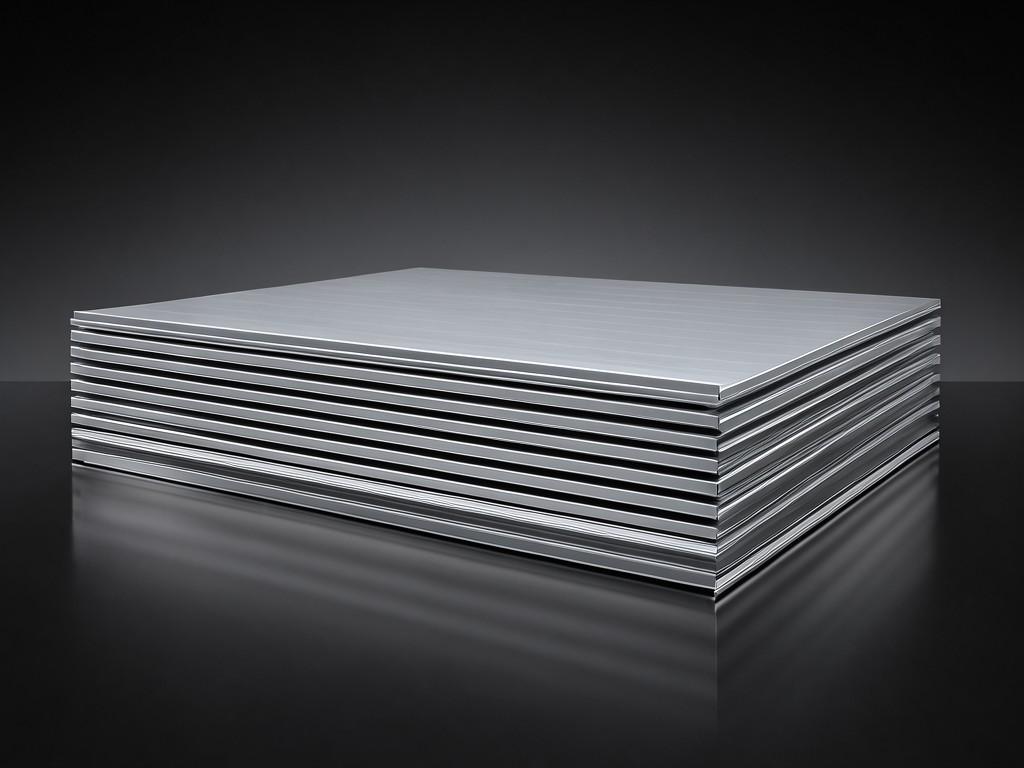
Specifying factory direct 80mm polyurethane cold room panels exporter for Wholesale and OEM Orders
Firstarticle tooling determines the thermal bridge performance and structural integrity of the entire batch. When importers source 80mm panels, the precision of the steel-to-foam bond dictates whether the unit maintains its vacuum seal over years or fails under rapid thermal cycling.
Consistency is set at the forming stage through continuous foam injection processes. Unlike manual assembly methods, high-pressure polyurethane molding ensures the cell density remains uniform across the 80mm span, preventing the localized air pockets that lead to premature condensation and energy loss in cold-storage environments.
Technical Note on Thermal Expansion
The 80mm thickness is optimized for sub-zero storage; however, the coefficient of thermal expansion between the pre-painted steel skin must be matched to the PIR core to prevent delamination during extreme temperature fluctuations.Material Options and Their Trade-offs
The choice of skin gauge and coating directly impacts the impact resistance and the longevity of the panel surface. For distributor-led orders where high-turnover retail cold rooms are common, standard 0.5mm steel offers a weight advantage, but industrial-grade facilities require 0.6mm to withstand the mechanical stress of heavy pallet jacks.
- Polyisocyanurate (PIR) cores provide higher R-values per mm and better fire-resistance properties compared to standard PU.
- Polyurethane (PUR) offers better structural flexibility and a lower cost point for non-fire-rated temperature applications.
- Galvalume steel skins increase corrosion resistance in high-moisture environments where standard zinc-coated steel might fail due to pitting.
| Parameter | Standard PUR Core | Premium PIR Core |
|---|---|---|
| Thermal Conductivity | ~0.024-0.026 W/mK | ~0.021-0.023 W/mK |
| Load Bearing | Moderate | High (Rigid) |
| Fire Rating | Standard | B-s1 / Class B |
Construction Method and Its Effect on Consistency
The build method decides the dimensional stability of the panel joints. Continuous-line production ensures that the 80mm core is consistent across the entire length of the panel, eliminating the "weak spots" found in hand-cut sections where foam density can vary unevenly.
High-pressure injection molding creates a chemical bond between the foam and the steel skins. If the pressure fluctuates during production, the panels may warp after leaving the factory, leading to gaps in the cold room assembly that are nearly impossible to seal effectively once on-site.
Buying Mistakes That Lead to Returns
Importers often overlook the specification of the joint system. Using cam-lock joints on high-load applications results in mechanical failure over time as the panels shift under the weight of inventory.
Neglecting the coating type for internal food-grade environments leads to rapid oxidation. Without a specified food-safe polyurethane coating, the steel skin will react with acidic food products or cleaning agents, triggering mass warranty claims for the distributor.
Who Uses It and Where It Matters
Meat processing plants utilize these 80mm panels to maintain strict temperature gradients required for bacterial growth control. In these environments, the panel's ability to withstand high-pressure washdowns is the primary metric of success.
Pharmaceutical logistics hubs prioritize the panels for rapid-assembly cold-chain modules. Here, the speed of installation and the ease of replacing a single damaged section are more critical than raw mechanical impact resistance.
Requirements by Buyer Segment
- Wholesalers: Focus on pallet-optimized dimensions and standardized lengths to minimize freight costs.
- OEM Brands: Require private-labeling and specific skin-color matching to match corporate branding standards.
- Contractors: Demand high-tolerance joints and easy interlocking profiles to ensure rapid onsite assembly.
Working as a Production Partner, Not a Catalogue Supplier
Operating as a production partner means providing batch traceability for every foam pour. We provide data sheets on the specific density and thermal conductivity of each shipment, ensuring that the importer can verify performance metrics to the end-user with empirical evidence.
Our OEM service integrates with your engineering team early in the production line. If a project requires a specific profile profile for a custom thermal break, we adjust the tooling to ensure the 80mm panel meets the structural load requirements beyond standard specifications.
Setup, Use and Replacement Parts
Proper setup requires silicone-grade gaskets to maintain the thermal envelope of the 80mm core. Over time, these gaskets may degrade, but the panels themselves are designed for serviceability. We provide matching replacement gaskets and profile extrusions to ensure the cold room's structural integrity remains intact during long-term operation.



