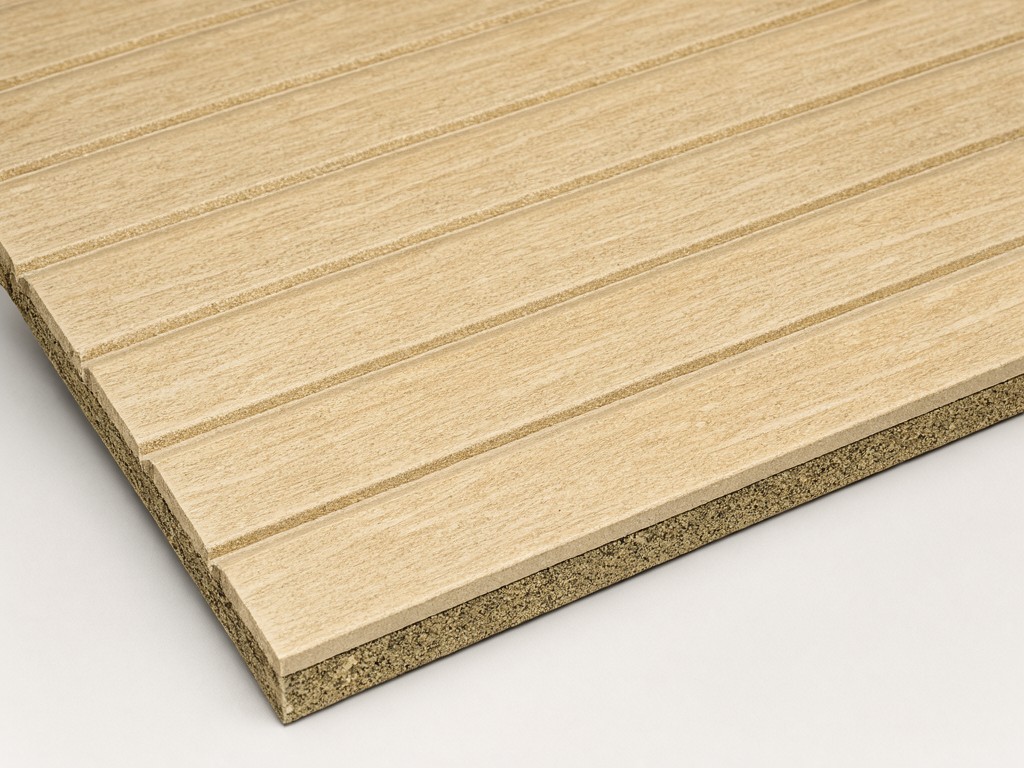
Specifying factory direct exterior polyurethane insulated siding board exporter for Wholesale and OEM Orders
Expansion through the foam core often dictates the structural integrity of exterior cladding systems under seasonal thermal cycles. When the density of the polyurethane core fluctuates across batches, the board exhibits uneven expansion rates, leading to buckling or seam separation at the fastening points. Procurement officers often prioritize the price per square meter, but the true cost is found in the R-value retention and the dimensional stability of the board over a ten-year service life.
Where Cheaper Alternatives Fall Short
Lower-grade variants typically utilize open-cell foam structures that lack the moisture-resistant bond to the outer skin. This results in delamination when high-humidity environments penetrate the interface, causing the skin to pull away from the insulation core. Furthermore, the lack of UV-stabilizers in the polymer resin leads to rapid chalking and loss of surface impact resistance within 24 months of direct exposure.
Technical Trade-off: Density vs. Weight
Increasing foam density from 30kg/m³ to 40kg/m³ improves impact resistance but increases the dead load on the building frame, potentially requiring heavier structural supports.
Measured Performance in Real Use
Performance in the field is judged by the flexural modulus and the resistance to water capillary action. A well-manufactured board maintains its profile within a 0.5mm tolerance even when subjected to 50 cycles of rapid temperature fluctuation. The thermal break remains consistent because the polyurethane cells are closed at a uniform pressure, preventing the thermal bridging seen in inconsistent extruded-foam alternatives.
Matching the Product to the Buyer's Need
- For high-altitude residential projects, specify boards with a minimum skin thickness of 3mm to resist extreme UV-induced brittleness.
- Commercial retail fit-outs require higher fire-rated cores to meet local safety codes without compromising debris resistance during transport.
- Coastal installations benefit from salt-spray resistant surface coatings that prevent chloride-induced corrosion of the outer polymer matrix.
What Can Be Customised and What Cannot
The core foam density and thermal resistance rating are fixed once the extrusion process begins to ensure batch-wide consistency. However, the surface texture—ranging from wood-grain embossing to smooth matte finishes—and the profile depth are adjustable based on the tooling of the extrusion die.
| Parameter | Customizable | Standard |
|---|---|---|
| Board Thickness Range | Yes (20mm-100mm) | Fixed increments |
| Core Foam Density | Yes | 35kg/m³ base |
| Surface Color Palette | Yes (RAL matching) | Standard earth tones |
Segment-Specific Requirements
Industrial-grade applications demand specific load-bearing capacities for the fastening zones, while residential sectors focus on aesthetic longevity and thermal U-values. We provide technical data sheets that detail the shear strength at the interface to meet the structural requirements of large architectural projects.
What Gets Checked Before Shipment
Every batch undergoes a dimensional check to ensure linear warping remains within the +/-1% threshold. We perform adhesion pull tests on random samples to verify the bond strength between the polyurethane core and the skin. Moisture content in the core is measured to ensure no internal condensation occurs during long-duration maritime shipping transit.
Need specific technical specifications or bulk wholesale pricing?
Contact our export team for technical review


