Factory Direct Hollow Glass Magnesium Cleanroom Panel Manufacturer: Specification, Ordering and Quality Notes
Cleanroom environments require structural components that maintain zero-particulate profiles while resisting high load-bearing stress. Hollow glass magnesium panels utilize a high-strength alloy core encased to reduce overall mass compared to traditional steel or aluminum frames without the off-gassing risks of standard polymers. For procurement officers, the primary concern is often the dimensional stability of the glass-to-metal bond; if the thermal expansion coefficients are not matched, the panels will delaminate under rapid HVAC cycling typical in pharmaceutical grade environments.
Scope of Supply
| Parameter | Standard Range / Value |
|---|---|
| Material Composition | Magnesium alloy core / Tempered Borosilicate Glass |
| Panel Thickness | 25mm to 150mm custom |
| Load Rating | Up to 800kg/m² (point load) |
| Cleanroom Class | ISO 14644 Class 1 to Class 5 |
| Surface Treatment | Ant-static / UV-reflective coating |
The Problem Buyers Keep Paying For
Low-grade cleanroom panels often fail at the seam interface where the glass meets the magnesium frame. When the adhesive bond is not properly cured or chemically resistant, moisture ingress through micro-cracks leads to internal corrosion of the magnesium core. This results in particulate shedding that compromises an ISO-class certification instantly, forcing a full-facility retrofit that far exceeds the initial material savings.
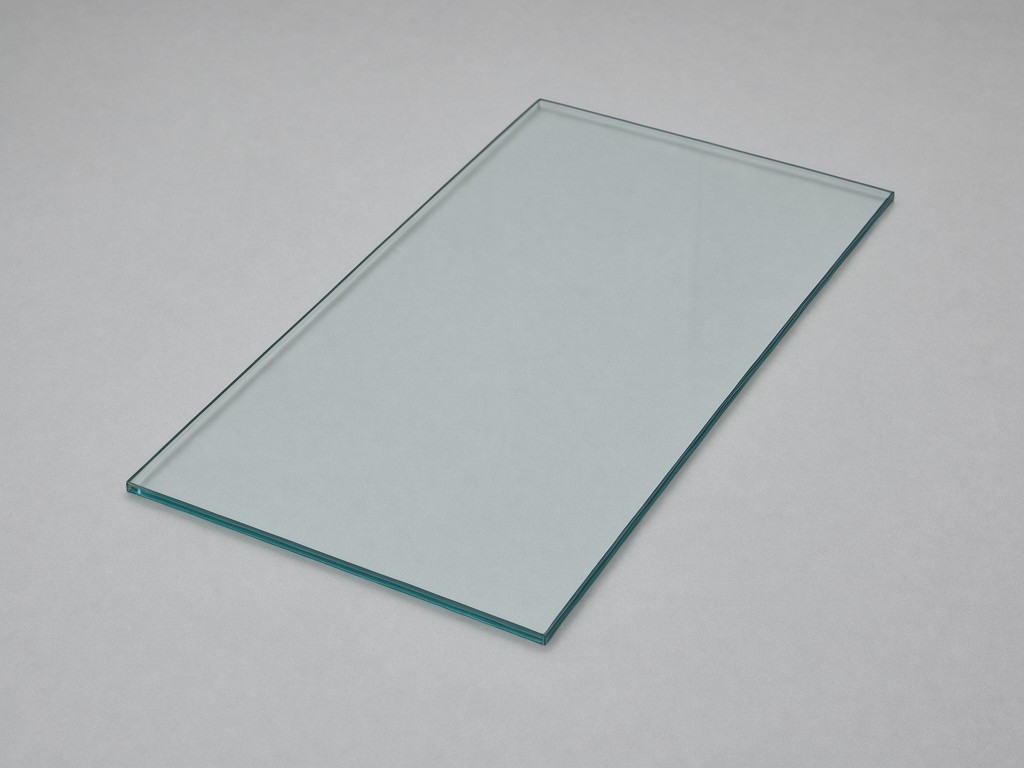
Consistency in panel thickness is another hidden cost. If the hollow core density varies by more than 0.5mm across a batch, the panels will exhibit slight warping during installation. This creates uneven stress on the mounting tracks, leading to misalignment of the door frames and failure of the pressure-tight seals.
What Actually Determines Performance
The performance of a hollow glass magnesium panel is dictated by the extrusion process of the alloy. We utilize a vacuum-extrusion method to ensure the internal geometry is uniform, which prevents the "drumming effect" found in cheaper hollow panels that amplify acoustic vibrations from high-velocity HVAC air systems.
Thermal Stability
Magnesium has a specific coefficient of thermal expansion. By utilizing a specialized polymer interlayer, we ensure the glass remains bonded at temperatures from 5°C to 40°C without shear stress.
Chemical Resistance
The tempered borosilicate outer layer is inert to VHP (vaporized hydrogen peroxide) decontamination and aggressive cleaning agents, ensuring the surface does not etch over repeated sterilization cycles.
Where This Product Beats Alternatives
Standard aluminum-core panels are prone to denting under impact during the equipment installation phase. Our magnesium-hollow construction offers significantly higher impact resistance, meaning the panel surface remains pristine even when heavy machinery is moved nearby. Furthermore, the glass-integrated surface allows for visual inspection of the internal structure, a safety requirement impossible with solid metal or plastic composite panels.
- Weight reduction of 30% compared to solid steel-clad panels of equivalent load rating.
- Superior acoustic damping properties due to the hollow air-gap architecture.
- Zero off-gassing profile suitable for semiconductor and biotech environments.
How to Choose Before Requesting a Quote
Evaluate the pressure-drop requirements of your specific cleanroom zone. For high-pressure differentials, a higher-density hollow-core is required to prevent panel deflection. For standard laboratory use, the focus should shift to the glass-transparency levels and the ease of cleaning of the anti-static coating.
Requirements by Segment
Pharmaceutical: Prioritizes VHP compatibility and particulate-free joints. The magnesium core must be fully sealed to prevent oxidative reactions during sterilization cycles.
Semiconductor: Focuses on electrostatic discharge (ESD) control and dimensional precision. Panels must fit within ±0.5mm tolerances across two-meter spans.
Packing, Marking and Freight
Because of the glass-integrated nature, we utilize custom-built reinforced wooden crates with internal shock-absorbing foam. Each panel is laser-etched with a batch number linked to the specific extrusion melt and glass temper, ensuring full traceability from the factory floor to your installation site.
Request technical drawings and bulk volume pricing for your specific project.
Contact our engineering team for a formal quotation


