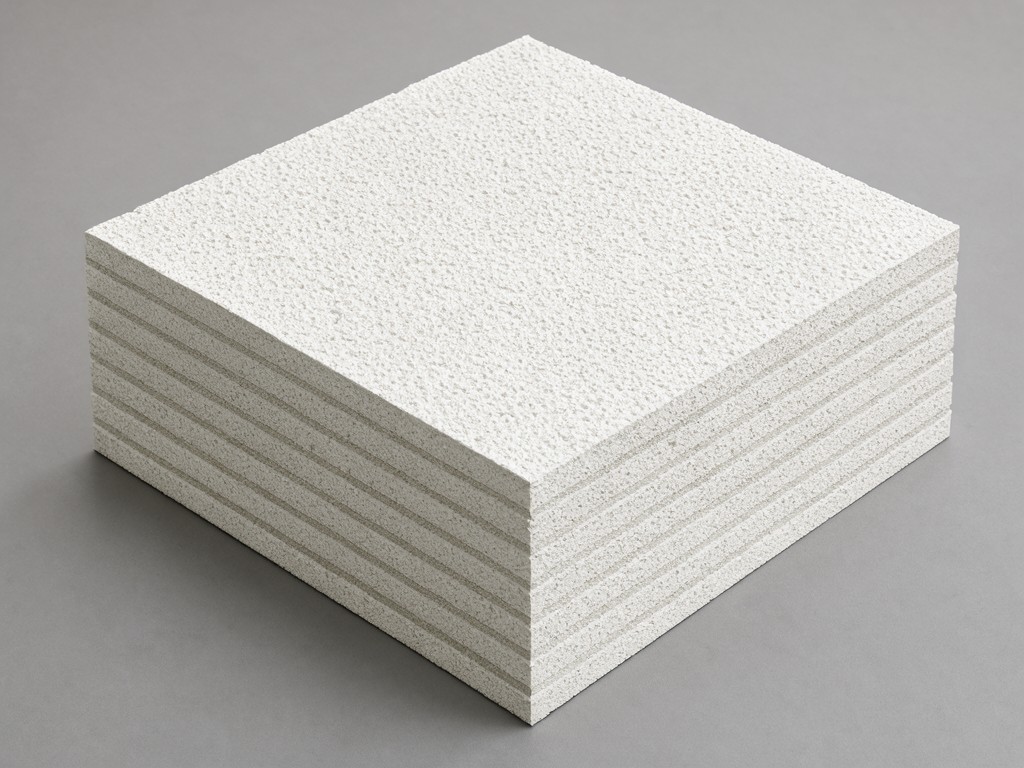
High Quality Exterior Decorative EPS Sandwich Panels Factory - Specification Guide
The Problem Buyers Keep For
Most warranty claims in exterior cladding stem from delamination of the decorative face layer from the EPS core. When the adhesive bond fails to account for the different thermal expansion coefficients of the skin and the foam, the surface begins to buckle or peel. This is often seen in low-batch production where the adhesive-to-foam ratio is inconsistent, leading to internal voids that trap moisture and expand during temperature fluctuations.
UV-induced degradation is another frequent failure point for decorative panels. If the outer coating lacks sufficient UV-stabilizers, the resin matrix in the paint breaks down, causing chalking and loss of the pigment profile. We mitigate this by monitoring the accelerated weathering test results to ensure the structural bond remains intact after 2,000 hours of direct solar simulation.
Buying Mistakes That Lead to Returns
Procurement officers often prioritize panel thickness without evaluating the span-bearing capacity. A thicker panel may meet thermal requirements but lack the structural stiffness required to prevent visible deflection between the purlins under wind loads. This results in "oil canning" of the facade, which compromises the aesthetic intent of the decorative finish.
Neglecting the vapor permeability rate of the exterior skin leads to interstitial condensation in humid climates. If the panel is too sealed, moisture trapped within the EPS core cannot escape, leading to mold growth or structural weakening of the foam. We provide specific mineral-fiber densities tailored to local climate zones to ensure the assembly remains breathable without compromising the decorative layer.
What Can Be Customised and What
The core density and surface texture are the primary variables in the manufacturing process. We can adjust the EPS density from 15 kg/m³ to 30 kg/m³ to balance R-value performance against impact resistance. However, the base thickness of the mineral-fiber skin is constrained by the limits of the hot-pressing equipment to ensure dimensional stability across large production runs.
- Core thickness ranges from 30mm to 200mm in 10mm increments.
- Surface finish options include stone-effect, wood-grain, or smooth-matte textures.
- Custom color matching is available via RAL specifications for project-specific bulk orders.
- Standard panel width is limited to 1200mm to maintain integrity during transport.
Capacity, Tooling and Scheduling
Production cycles are dictated by the curing time of the thermosetting resins. Large-scale projects require dedicated tooling runs to ensure batch-to-batch consistency across the entire facade. For standard dimensions, lead times typically range between 3 to 5 weeks depending on raw material availability for the specialized mineral fibers.
| Parameter | Specification Range |
|---|---|
| EPS Core Density | 15 - 30 kg/m³ |
| Thermal Conductivity | 0.035 - 0.038 W/m·K |
| Flexural Strength | ≥ 0.5 MPa |
| Dimensional Tolerance | ± 1.0 mm |
Keeping Orders Supplied
Reliability in wholesale supply is maintained through automated quality control at the foaming line. By regulating the pressure and temperature of the EPS expansion, we ensure that every panel in a shipment has the same density profile. For large-scale private-labeling, we request technical data sheets for your specific project requirements.
Care, Storage and Service Life
Panels must be stored horizontally on flat, dry surfaces to prevent bowing. Stacking panels vertically for extended periods can cause the lower panels to deform under the weight of the upper units. Once installed, the service life typically exceeds 20 years, provided that the joints are properly sealed with flexible sealants to prevent water ingress into the EPS core.
Discuss technical specifications for your next exterior cladding project.
Contact Our Engineering Team


