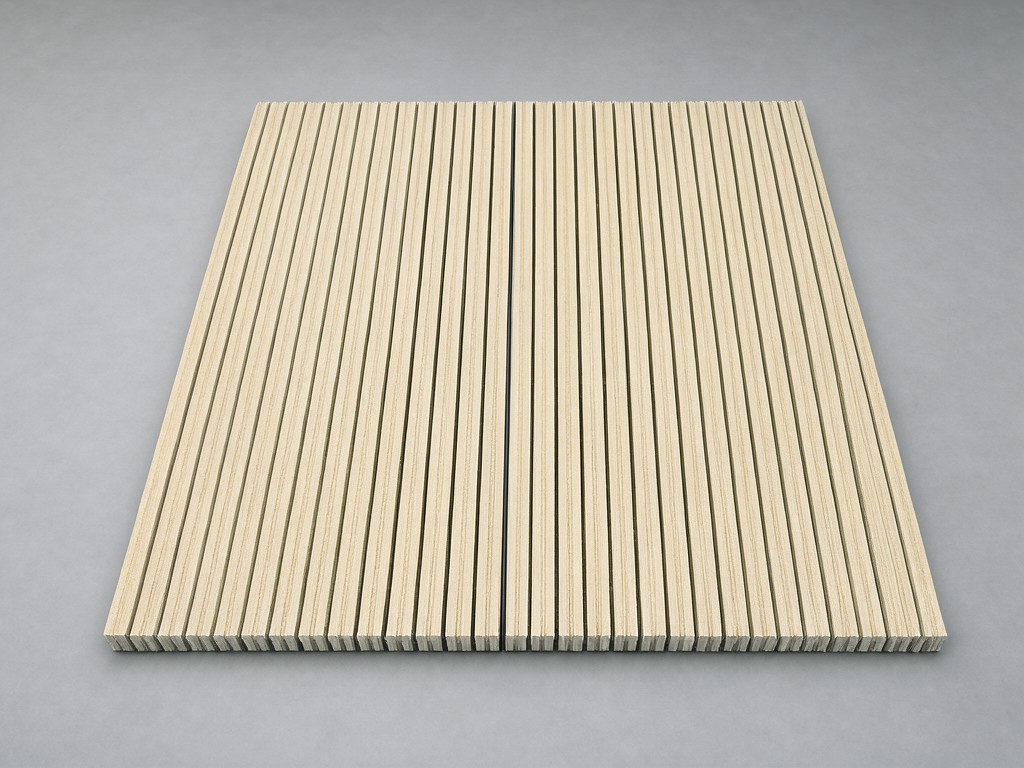
High Quality Fireproof Clean Room Sandwich Panels China Factory - Bulk Supply and Specification Guide
Thermal stability in controlled environments depends on the mechanical bond between the steel skin and the core insulation. When expansion coefficients differ between the layers, internal shear stress leads to delamination at the panel edges, compromising the ISO-class rating. Our manufacturing process utilizes high-pressure continuous production lines to ensure the 0.5mm pre-painted steel remains fused to the mineral wool or phenolic core despite rapid temperature fluctuations.
Where Cheaper Alternatives Fall Short
Budget-grade panels often utilize low-density binders that succumb to moisture ingress over time. In high-humidity industrial environments, these cores absorb water, increasing the weight of the panel and degrading the thermal R-value. Furthermore, the lack of precision in the tongue-and-groove interlocking results in gaps that exceed 2mm, necessitating extensive labor-intensive caulking to maintain air pressure integrity.
- Inconsistent core thickness leads to bowing under the weight of ceiling suspension systems.
- Poor adhesive bonding results in skin-peeling when the panel undergoes standard seasonal thermal cycles.
- Standard-grade steel coatings fail to resist aggressive cleaning agents used in pharmaceutical-grade zones.
Design Constraints Behind the Specification
The selection of panel thickness is a trade-off between thermal resistance and structural span-capacity. A 100mm panel provides superior insulation for cold storage but requires a more robust support framing to prevent deflection under live loads. For standard electronics assembly clean rooms, 50mm to 75mm configurations often provide the best balance of weight and ease of installation.
| Parameter | Mineral Wool Core | Phenolic Foam |
|---|---|---|
| Fire Rating | Non-combustible (Class A) | Flame Retardant |
| Thermal Conductivity | 0.035-0.040 W/m·K | 0.020-0.024 W/m·K |
| Surface Density | 80-120kg/m³ | 12-18kg/m³ |
How It Performs in Use
In pharmaceutical manufacturing, the panel surface must withstand repeated sterilization cycles without scratching or discoloration. We utilize a PVDF coated steel with antimicrobial properties to ensure the surface resists microbial accumulation. The interlocking joint system is designed to create a tight mechanical seal, which is critical for maintaining the positive pressure gradients required in high-class clean room environments.
Structural Integrity and Assembly
Dimensional tolerance is maintained via laser gauging to ensure width variance stays under ±0.5mm. This precision ensures that when panels arrive on-site, the vertical extrusions align perfectly, reducing the need for on-site modifications that could compromise the fire-stop barrier.
Where This Product Beats Alternatives
Most local suppliers prioritize raw material cost, but our factory focuses on the bond strength of the interface. By using a high-temperature adhesive application, we eliminate the risk of the steel skin buckling during long-term thermal exposure. This reduces the total cost of ownership for the buyer by preventing maintenance claims and replacements years after the commissioning phase.
OEM and ODM Programme Structure
We support custom configurations for large-scale infrastructure requiring specific architectural dimensions. Whether the project demands specialized zinc-coated steel skins or specific core densities for acoustic resistance, our production line adapts to the technical drawings without extending the lead time significantly.
Interested in technical data sheets or material samples for your next project?
Request a Bulk Quote and Sample Pack


