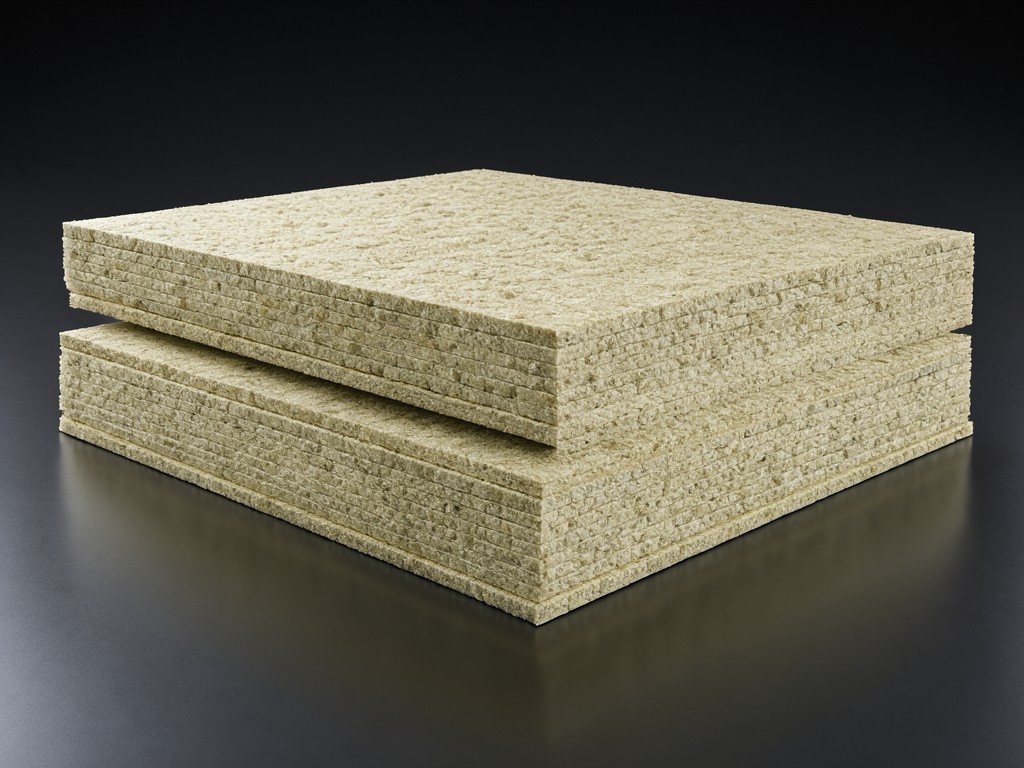
Specifying High Quality Heavy Duty Rock Wool Roof Panels China Supplier
Structural integrity in industrial roofing depends on the density of the mineral core and the tensile strength of the steel skins. When rock wool panels fail under thermal load, the cause is usually core settling or delamination which reduces the R-value. We utilize a high-density 80kg/m³ to 120kg/m³ configuration to ensure the fiber matrix remains rigid across long-span installations, preventing the sag common in lower-density alternatives.
Materials and Construction Trade-offs
Procurement officers must balance thermal resistance requirements against the dead weight of the structure. A thicker rock wool core increases fire rating and acoustic absorption but increases the load on the primary steel purlins. Our production process uses continuous adhesive application to ensure a uniform bond between the steel and the mineral wool, which eliminates the risk of air pockets forming during extreme temperature fluctuations.
- Galvalume coating on the outer sheet provides corrosion resistance in coastal industrial zones with high salt exposure.
- High-temperature binders in the rock wool prevent rapid heat spread, maintaining structural integrity during events.
- Interlocking profile designs increase the moment of inertia, allowing for wider spans between supports without excessive deflection.
Option Comparison by Usage
| Configuration Type | Core Density | Primary Benefit |
|---|---|---|
| Standard Industrial | 60-80kg/m³ | Cost-effective thermal insulation |
| Heavy-Duty Acoustic | 100-120kg/m³ | Sound reduction and vibration damping |
| Fire-Risk Zone | Variable (High Density) | Maximum fire barrier performance |
Customisation Options and Limits
Surface finishes dictate the long-term aesthetic maintenance of the facility. PVDF coatings are specified for high-UV environments to prevent chalking and fading over 15-year periods. For internal warehouses, a standard polyester finish is often sufficient but lacks the resistance to chemical abrasion or mechanical impact.
Core Thickness
We offer core thicknesses from 50mm to 300mm. Note that thicker cores require specialized handling equipment to ensure the panel profile does not distort during transport or installation phase.
Profile Geometry
Available profiles vary from trapezoidal to deep-rib designs. Higher rib heights increase load bearing capacity but increase the total material volume required per square meter of coverage.



