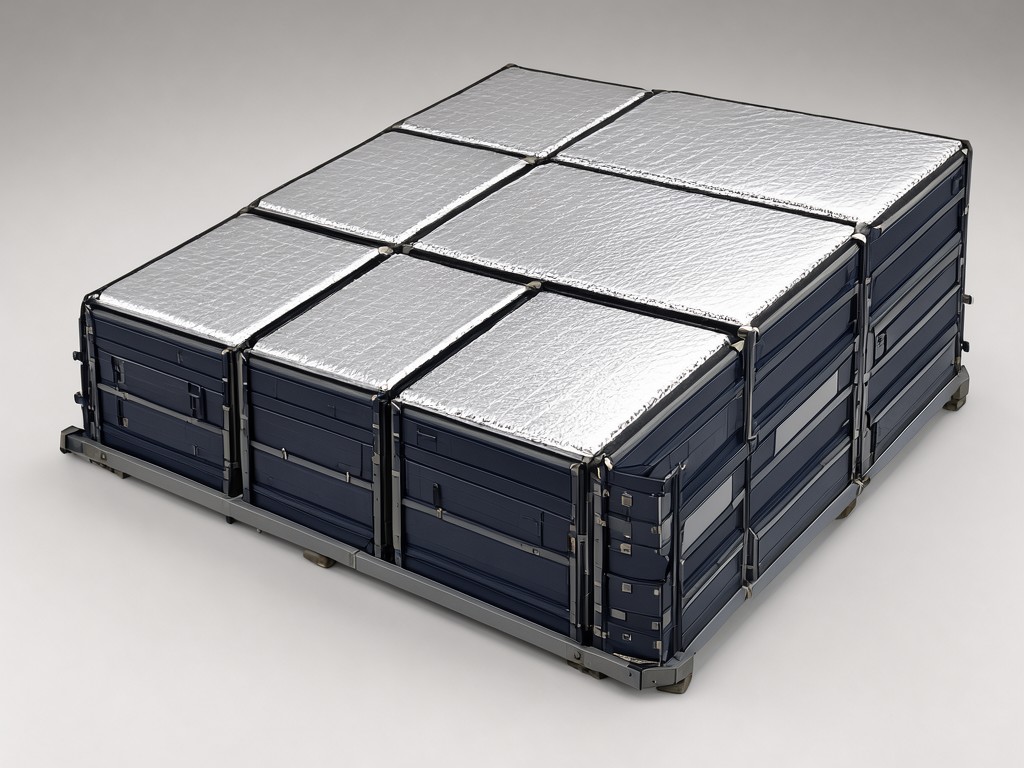
ODM PIR Cold Chain Logistics Insulated Panels Factory: What Buyers Should Check Before Ordering
Replacement rates in cold chain often stem from thermal bridging rather than the core material itself. Polyisocyanurate (PIR) cores offer higher thermal stability compared to standard PUR, but the performance of the panel depends entirely on the bond strength between the foam and the metal skin substrate. If the adhesive application is inconsistent, thermal expansion will cause delamination, leading to moisture ingress and a loss of R-value within the first seasonal cycle.
How It Is Built and What Changes
The continuous foam process is the industry standard for maintaining dimensional stability. By extruding the PIR foam directly onto the forming in a single line, we eliminate the cold joints found in manual block-glued methods. This ensures that the thermal conductivity remains uniform across the entire 50mm to 200mm span.
- High-density foaming agents (40-45 kg/m³) provide the compressive strength needed for load-bearing freezer walls.
- Interlocking profile systems, such as tongue-and-cam, minimize air leakage at the joints.
- UV-resistant polyester coatings on the outer skin prevent pigment degradation in semi-exposed loading docks.
Matching the Product to the Buyer's Need
Selecting the right panel configuration involves a trade-off between freight weight and thermal efficiency. In high-speed mobile logistics, a thinner 60mm PIR panel reduces vehicle tare weight improving fuel efficiency, whereas for fixed cold-storage hubs, a 150mm thickness is the baseline for meeting stringent operational temperature tolerances.
| Configuration | Standard Specification | Primary Application |
|---|---|---|
| Core Density | 42-48 kg/m³ | Deep Freezer Rooms |
| Skin Material | 0.4mm - 0.6mm PVG | Refrigerated Units |
| Thermal Conductivity | lt; 0.022 W/m·K | High-Efficiency Logistics |
Assumptions Buyers Stop Making
Cheaper stock options often utilize lower-grade PIR blends that lack adequate fire stabilizers. While the initial cost per square meter is lower, the thermal drift increases over 24 months as the foam cells collapse or absorb moisture, resulting in higher energy consumption and potential spoilage of the cargo at the destination.
Mechanical failure at the joints is another overlooked cost. If the cam-lock profile is not machined to within ±0.5mm tolerance, the panels will not sit flush, creating thermal bridges that no amount of high-core insulation can compensate for.
Volume Planning and Lead Time
Production lead times are dictated by the availability of specific coil gauges and the foam chemical chemistry. Standard 1000mm width panels typically have a 14-day production window, but custom dimensions for specialized pharmaceutical-grade logistics require an additional 10 days for tooling calibration and quality validation cycles.
Stock Availability
Our factory facility maintains a rolling inventory of common core thicknesses to mitigate supply chain fluctuations in the steel market. For large-scale ODM projects, we recommend a phased delivery schedule to ensure that batch consistency remains high, preventing color variations or structural variances across the entire construction site.
Care, Storage and Service Life
Maintaining the integrity of the PIR core requires avoiding direct exposure to high-heat torches or harsh solvents during installation, which can compromise the skin-core bond. When stored vertically on flat surfaces with a load distribution less than 5kPa, these panels typically maintain a service life exceeding 20 years in industrial cold chain environments.
Request technical specifications for your specific cold chain project.
Contact our Engineering Team for Sample Approval


