ODM Stainless Steel Cleanroom Sandwich Panels Factory: Specification, Ordering and Quality Notes
High-frequency sterilization cycles require a surface that resists delamination under repeated chemical exposure. When standard coated panels are used, the bond between the metal skin and the core often breaks down, leading to microbial growth and structural integrity failure. Our ODM process focuses on the 304 and 316 grade stainless steel skins to ensure the structural core remains inert even after years of high-pressure vaporized peroxide treatment.
What the Design Has to Balance
Selecting core material involves weighing thermal expansion coefficients against the final load rating of the assembly. High-density mineral wool offers superior compressive strength for load-bearing partitions but increases the weight per square meter, impacting logistics costs. For modular cleanroom builds, PIR (polyisocyanurate) cores provide better thermal resistance-to-weight ratios, though they require precise adhesive bonding to prevent air pockets that form during temperature fluctuations.
How It Performs in Use
The stability of the cleanroom environment is judged by the joint integrity of the panels. If the panel dimensions vary more than ±0.5mm, the seams will gap, creating crevices that compromise laminar airflow patterns. We utilize a tongue-and-groove profile designed with integrated mechanical gaskets to ensure aetic seal, reducing the reliance on external sealants that degrade over time.
| Parameter | Technical Range |
|---|---|
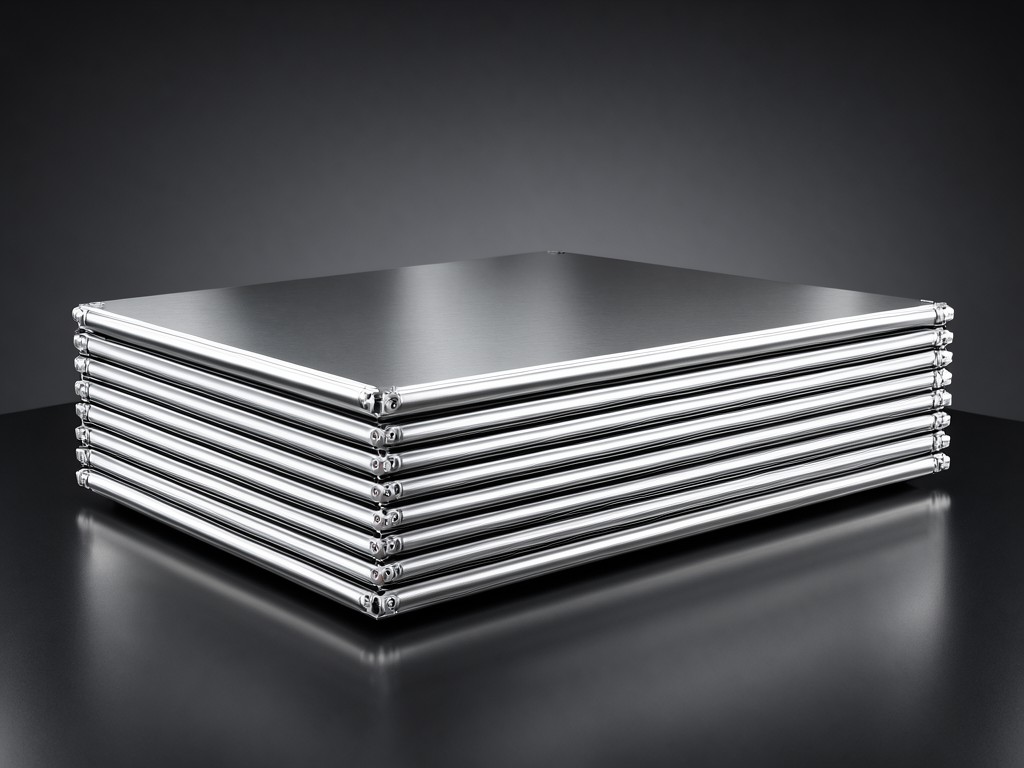
| Skin Material Grade | SUS 304 / SUS 316L (Hair Finish) |
| Core Options | PIR, Rock Wool, Honeycomb |
| Total Panel Thickness | 50mm to 300mm |
| Thermal Conductivity | λ ≤ 0.022 W/m·K (PIR) |
Materials and Construction Trade-offs
Corrosion resistance is the primary driver of cost variance between steel grades. While 304 grade is sufficient for standard pharmaceutical environments, 316L is mandatory for facilities handling high saline concentrations or aggressive cleaning agents to prevent surface pitting. The surface finish—ranging No. 4 brushed to mirror polished—also affects the ease of particulate removal and the visibility of scratches during installation.
Comparing Two Configurations
- If the facility requires high fire-rating compliance, select mineral wool-core panels; this prevents smoke production but increases the weight per panel significantly.
- If the priority is rapid assembly and thermal efficiency, the PIR-core configuration offers a lower profile and better R-values for cold-storage zones.
Who Uses It and Where It Matters
These panels are engineered for environments where particulate control is non-negotiable. Procurement officers in the food processing sector prioritize the non-porous surface to prevent cross-contamination during wash-downs. In semiconductor assembly, the structural rigidity of the stainless steel skin ensures that cleanroom walls do not bow under the weight of heavy airducting.
What Gets Checked Before Shipment
Quality control begins with ultrasonic testing of the core-to-skin bond to ensure no voids exist within the laminate. We perform dimensional checks against the blueprint to ensure every interlocking profile aligns perfectly on-site. Additionally, salt spray testing is conducted on sample coupons to verify the oxidative resistance of the specific stainless steel grade ordered.
Keeping Orders Supplied
Batch consistency is maintained by tracking the milling specifications of the steel across production runs. For large-scale OEM projects, we provide batch traceability for every panel, ensuring that replacement parts ordered years later will match the surface finish and de-fit thermal expansion properties of the original installation.
Questions Buyers Ask
What is the lead time for custom-sized stainless steel sandwich panels?
Lead times typically range from 4 to 8 weeks depending on the raw steel material availability and the complexity of the core-lamination process.
Can the panels be pre-cut for MEP openings?
Yes, we provide CNC-routing services for precise openings for HVAC, electrical conduits, and plumbing fixtures to reduce on-site labor time.
Ready to discuss technical specifications for your next cleanroom project?
Request a Technical Datasheet and Quote


