oem architectural insulated facade panels manufacturer - Bulk Supply and Specification Guide
Thermal expansion and contraction cycles often cause premature panel delamination between the metal skin and the insulation core. When the coefficient of thermal expansion is not matched, the stress on the adhesive bond increases, leading to visible buckling or failure at fastener points. Procurement teams must prioritize core density and skin-bond strength to ensure the facade remains flat across seasonal temperature shifts.
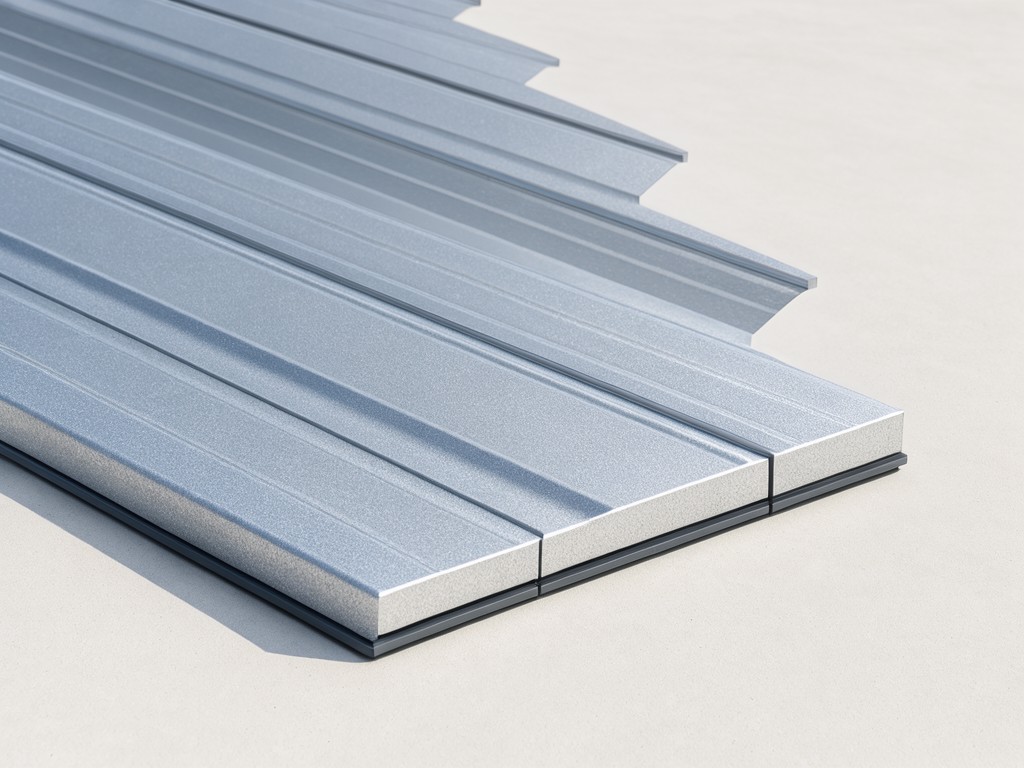
Scope of Supply and Physical Form
| Parameter | Configuration Range | Industrial Application |
|---|---|---|
| Skin Thickness | 0.5mmmm to 2.00mm | High-rise commercial cladding |
| Insulation Core | PI, PIR, or Mineral Wool | Energy-efficient building envelopes |
| Total Panel Depth | 50mm to 300mm | Industrial cold storage units |
Standardized panel geometry dictates the structural rigidity of the entire facade system. Larger profile depths offer mechanical resistance against wind-load pressures but increase the complexity of the on-site installation process. Selecting the correct profile depends on balancing the load-bearing capacity of the panel against the weight limits of the sub-frame.
Design Constraints Behind the Specification
Critical Technical Note:
UV-exposure on polymer-based coatings leads to chalking and pigment degradation if not specified. For south-facing facades, PVDF-200 finishes are required to prevent color shift and maintain surface integrity over a 20-year service life.Moisture ingress is the primary driver of long-term material failure. If the joint system is not hermetically sealed, water reaches the insulation core, leading to internal corrosion and loss of R-value. Engineers must specify interlocking profiles that ensure a water-tight barrier without relying solely on secondary sealants.
What Actually Determines Performance
Thermal Bridge Resistance
The density of the insulation core determines the U-value of the assembly. High-density PIR cores reduce thermal transfer compared to standard foam but increase the material cost per square meter.
Mechanical Impact Strength
The tensile strength of the steel skin dictates the panel's resistance to denting. Higher-gauge steel prevents surface deformation during transport and high-impact installation zones.
Buying Mistakes That Lead to Returns
Most quality disputes start with a consistency gap in panel dimensions between production batches. If the profile width varies by more than 1mm, the interlocking joints will not align on-site, forcing costly field modifications or re-orders.
- Ignoring the thermal expansion coefficient of the metal skin relative to the core, leading to warping.
- Selecting low-grade coatings for coastal environments, resulting in rapid salt-spray corrosion.
- Failing to verify the fire-rating of the insulation core against local regional building safety codes.
Who Uses It and Where It Matters
Large-scale logistics developers utilize these panels to maintain strict temperature controls in cold chain facilities. In these environments, the panel's performance is judged by its ability to prevent condensation and thermal energy loss.
Architects specify these systems for aesthetic consistency where a flat monolithic look is required across large surface areas. The focus here is on the uniformity of the surface finish and the precision of the seam lines.
Inspection Items and Test Methods
- Pull-off Testing: Measures the bond strength between the metal skin and the insulation core.
- Salt Spray Testing: Evaluates the corrosion resistance of the coating in high-salinity environments.
- Dimensional Verification: Ensures panels remain within tolerance limits for proper joint fit.
- Thermal Conductivity Testing: Verifies the R-value performance of the core material.
Volume Planning and Lead Time
Production schedules for custom profiles are dictated by the availability of specific rolling dies. Large-volume orders typically require a 8 to 12 week lead time to account for material sourcing and the curing process of specialized coatings.
Ordering, Tooling and Lead-Time Questions
What is the MOQ for custom-profile extrusion?
Custom profiles usually require a minimum of 1,000 square meters to offset the cost of specialized tooling and machine setup.
Can the insulation core be changed while maintaining the same exterior skin?
Yes, but this requires a re-evaluation of the adhesive chemistry to ensure the bond remains stable under thermal stress.



