OEM Rock Wool Exterior Wall Cladding Sandwich Panels China Supplier: What Buyers Should Check
What This Product Is and Where Fits
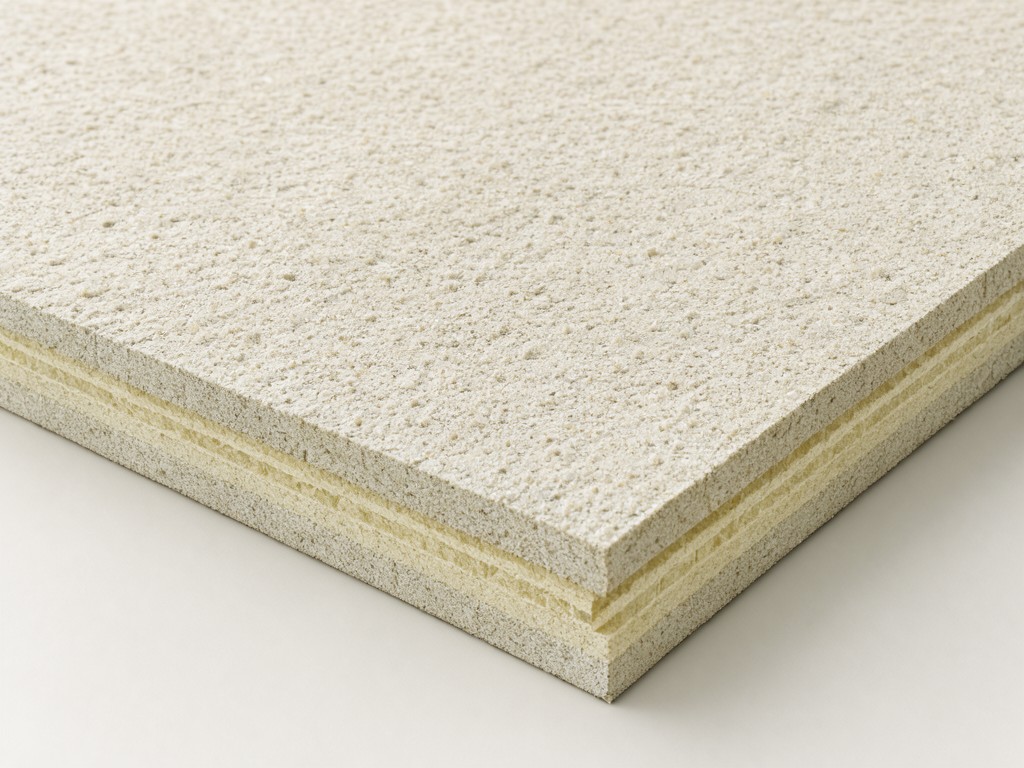
Exterior cladding panels utilizing rock wool cores serve as the primary thermal barrier and fire shield for the building envelope. Unlike foam-based alternatives, mineral wool insulation is non-combustible, meaning it maintains structural integrity at temperatures exceeding 1000°C. This makes it the standard specification for industrial hubs, hospitals, and commercial complexes where fire safety ratings are a non-negotiable procurement requirement.
The construction typically consists of two layers of galvanized steel sheets—ranging from 0.4mm to 1.5mm in thickness—bonded to a dense mineral wool core using polyurethane adhesive. The bond line is the most critical point; if the adhesive application is inconsistent, the skins will delaminate under thermal expansion cycles, leading to visible buckling and moisture ingress.
The Problem Keep Paying For
Procurement officers often report issues with "sagging" in long-span installations. When the rock wool density is too low or the fiber tensile strength is insufficient, gravity causes the core to settle toward the bottom of the panel. This creates a thermal bridge at the top of the wall section, compromising the R-value that the entire system was intended to achieve.
Another frequent failure mode involves coating degradation at the joint edges. In high-UV environments, standard polyester coatings may chalk within 5 years, exposing the galvanized steel to oxidative corrosion at the panel seams. We specify high-build PVDF or coatings for exterior applications to ensure the protective layer remains intact despite mechanical scratches that occur during transport and on-site mechanical fastening.
Materials and Trade-offs
| Parameter | Specification | Trade-off |
|---|---|---|
| Core Density | 80kg/m³ - 120kg/m³ | Higher density improves fire rating but increases shipping weight and cost. |
| Skin Thickness | 0.5mm - 0.80mm | Thicker skins increase impact resistance but complicate cutting and forming. |
| Profile Type | Flat, Ribbed, Trapezoidal | Deeper profiles offer higher stiffness but use more material volume. |
| Coating | PE / Plastysol / PVDF | PVDF provides better thermal stability but increases unit price. |
OEM and ODM Structure
Custom manufacturing allows for the production of specific panel widths to match the architectural grid, which reduces on-site waste. We integrate custom profile tooling into the continuous production line, ensuring that the interlocking joints—typically tongue-and-groove systems—maintain a water-tight seal across thousands of installation.
For large-scale OEM projects, we provide batch traceability for every coil used. This ensures that the color delta remains consistent across the entire facade, preventing the visual patchiness often seen when different production runs are mixed on-site. Discuss your technical requirements with our engineering team.
What Gets Before Shipment
Our quality control focuses on dimensional stability and the bond strength of the panel. We perform shear tests to ensure the rock wool core does not separate from the steel skin under mechanical stress. Additionally, every batch is checked for flatness to prevent "oil canning" effects which can cause uneven shadow lines on the final cladding installation.
- Dimensional tolerance: +/- 2mm per 3000mm length.
- Core water absorption: < 1.0% by volume.
- Adhesion strength: minimum 2.0 N/mm.
- Salt spray resistance: Class 2 or 3 depending on coating grade.
Keeping Orders Supplied
Reliable supply depends on managing the availability of raw rock wool fibers and specialized steel coils. We maintain buffer stocks of standard core densities to mitigate lead-time fluctuations caused by energy price volatility. For OEM orders, we require a production schedule aligned 8 weeks in advance to ensure the tooling is calibrated for your specific profile requirements.
Packing and Configuration
Panels are packed in heavy-duty steel frames to prevent damage to the panel edges during maritime transit. Each bundle is marked with dimensions, weight, and the production date to facilitate inventory management upon arrival. This system allows procurement officers to verify the shipment against the bill of lading without manual inspection of every individual unit.
Request Technical Specification Sheets
Get the full performance data and thermal resistance tables for your next project.
Inquire About OEM Production


