OEM stainless steel cold room insulation panels supplier: What Buyers Should Check Before Ordering
Thermal performance depends on the bond integrity between the stainless steel skin and the insulation core. When this interface fails, moisture ingress causes micro-delaminations, leading to ice pockets that compromise the structural rigidity of the entire enclosure. Procurement officers sourcing private-label solutions must evaluate the gauge of the steel—typically 0.5mm to 0.6mm—to prevent oil canning during rapid temperature cycling.
Scope of Supply and Physical Form
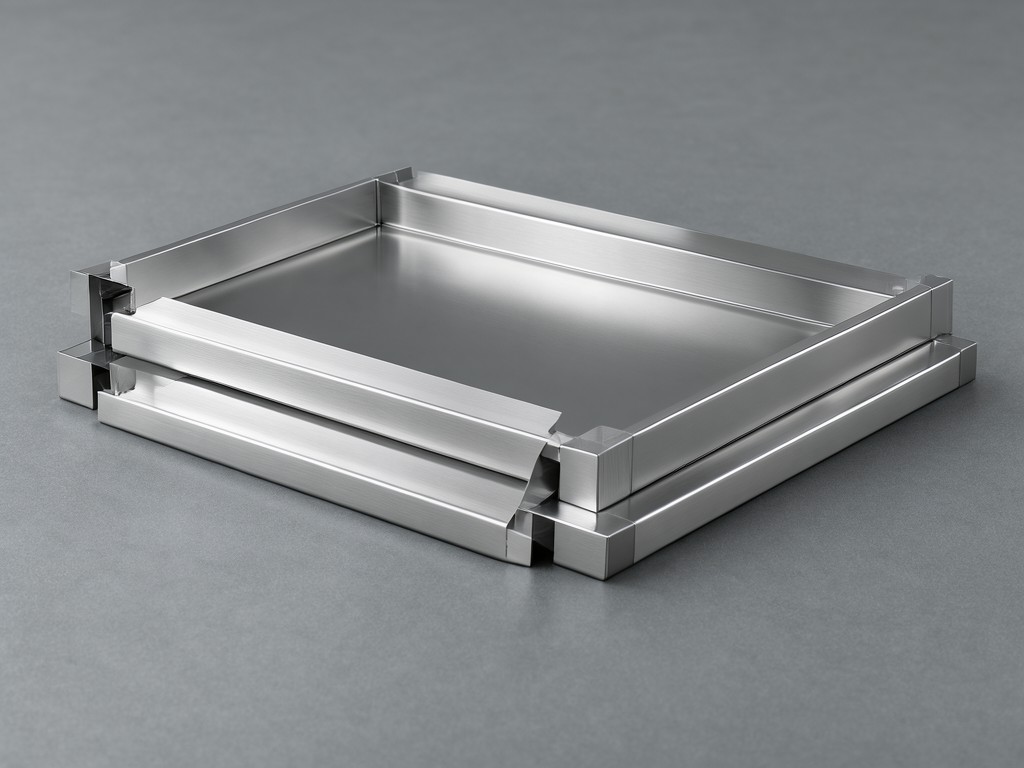
The supply range covers flat-panel configurations and specialized profiles designed for rapid on-site assembly. We provide panels in varying thicknesses, from 50mm to 150mm, depending on the required thermal load of the refrigeration unit. The surface finish is restricted to 204 or 316 grade stainless steel, ensuring corrosion resistance in high-humidity environments where standard galvanized steel would oxidize prematurely.
- Tongue-and-groove joint systems with integrated foam gaskets for thermal bridge prevention.
- Pre-milled channels for structural reinforcement in large-span ceiling load-bearing walls.
- Custom-length extrusion up to 6000mm to minimize on-site joints and labor hours.
- Surface options including No. 4 brushed finish for high-traffic areas or antimicrobial coatings for food-grade compliance.
What the Design Has to Balance
Deflection under load governs the longevity of the cold room floor. If the panel skin is too thin relative to the core density, the floor will bow under the weight of heavy pallet jacks or forklifts, shearing the internal foam at the edges. Buyers must balance the weight of the stainless steel skin against the compressive strength of the core to maintain a level working surface over years.
| Parameter | Standard Grade | Heavy Duty Grade |
|---|---|---|
| Steel Skin Thickness | 0.5mm | 0.8mm - 1.0mm |
| Core Density | 40-42 kg/m³ | 80-100 kg/m³ |
| Thermal Conductivity | Standard Storage | Blast Freezer / Arctic |
Option Comparison by Usage Level
Consistency depends on the specific application's temperature gradient. For ambient-controlled chill rooms, the focus is on dimensional stability. However, for deep-freeze environments, the thermal expansion coefficient of the stainless steel must be matched with the core material to prevent the skin from buckling or buckling during defrost cycles.
Matching the Product to the Buyer's Need
Serviceability Focus
Wholesale buyers often prioritize modularity to allow for easy repairs. Our panel design utilizes an interlocking profile that allows for the replacement of a single section without dismantling the entire wall assembly. This reduces downtime for the end-user and lowers the total cost of ownership over a 10-year cycle.
Industrial Grade Compliance
In food processing sectors, the surface finish is non-negotiable. We provide high-polished stainless steel surfaces that resist bacterial growth and withstand harsh chemical caustic cleaning agents, ensuring the facility meets stringent hygiene standards required for international export markets.
Segment-Specific Requirements
Different markets demand different mechanical properties. Laboratory-grade cold rooms require high-tolerance panel dimensions to maintain precise internal environments. In contrast, commercial meat butcheries prioritize the skin thickness for impact resistance on the lower wall sections, which are prone to denting from hooks and heavy equipment.
Quality Control and Batch Consistency
The interface between parts determines the airtightness of the room. If the tongue-and-groove dimensions vary by more than 0.5mm between batches, the panels will not seat, creating air leaks that increase compressor energy consumption. We implement batch-specific tracking to ensure that every shipment for a single project shares the same extrusion profile, preventing structural misalignment.
Volume Planning and Lead Time
Production schedules are dictated by the availability of stainless steel coils and specialized foaming agents. Standard 50mm panels typically have a 4-week turnaround, while custom-gauge skins or oversized lengths may require extended lead times. Forecasting volume in advance allows us to secure raw materials and lock in pricing for your project timelines.
Keeping Repeat Orders Supplied
Maintaining a long-term partnership with an importer requires strict adherence to specifications. By documenting the specific core density and steel alloy used in every order, we ensure that reorders match the original installation perfectly, allowing for seamless expansions of existing cold room infrastructures without material mismatch.



