Wholesale Cam Lock Cold Storage Sandwich Panels Manufacturer for OEM Orders
Thermal integrity in cold chain depends on the precision of the jointing and the structural stability of the core. When cam-lock systems fail to align, thermal bridging occurs at the seams, leading to localized condensation and increased compressor energy consumption. Our manufacturing process focuses on maintaining dimensional tolerances across the entire panel length to ensure that every cam-lock engages without mechanical stress or manual adjustment on-site.
Technical Note: The alignment of the cam-lock profile is integrated into the steel skin during the bonding process to ensure a flush fit, preventing the "pulling" effect that causes seam failure in low-grade panel assemblies.
What Actually Determines Performance
| Parameter | Standard Specification Range |
|---|---|
| Core Material Density | 38 - 42 kg/m³ (PUR/PIR) |
| Skin Thickness | 0.5mm - 0.7mm (G90 Steel) |
| Thermal Conductivity (λ) | 0.022 - 0.028 W/mK |
| Width Tolerance | ± 0.5mm over total length |
Materials and Construction Trade-offs
Selecting between Polyurethane foam (PUR) and Polyisocyanurate (PIR) dictates the fire rating and thermal resistance per millimeter. PIR offers higher temperature stability during curing, allowing for thinner panel profiles to achieve the same R-value. For wholesale buyers, the trade-off involves the higher material cost versus the reduced shipping weight and increased usable floor space.
Bonding Integrity
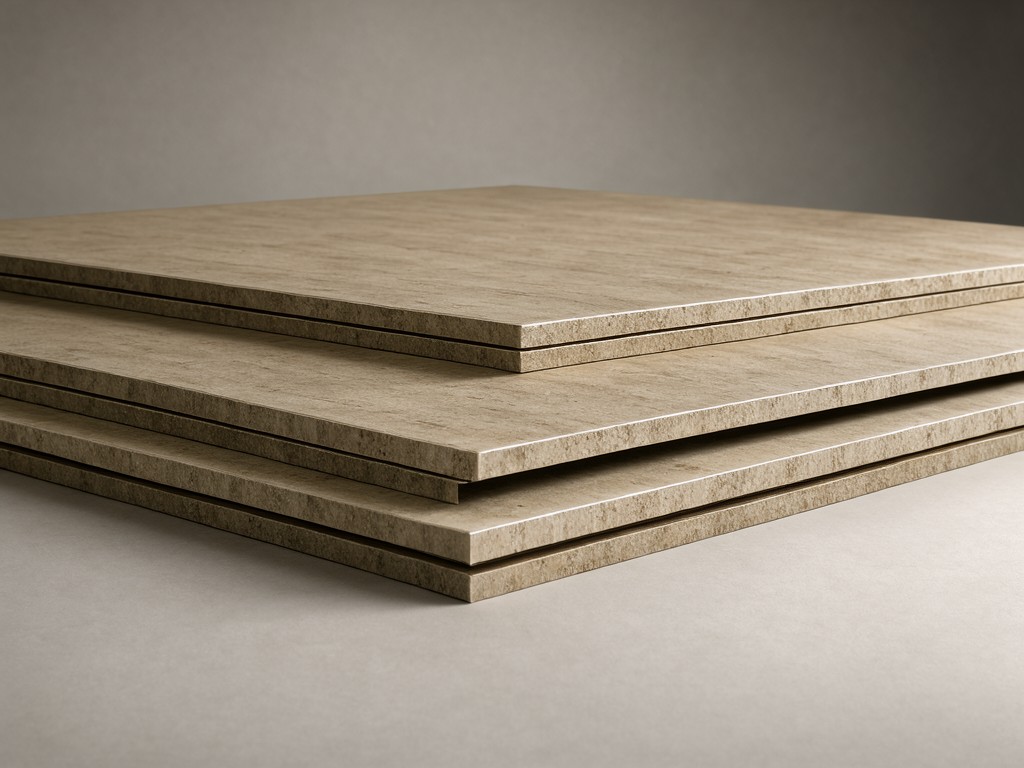
High-pressure continuous molding ensures a chemical bond between the galvanized steel and the foam core. This prevents delamination, which often occurs in cheaper panels when the internal temperature fluctuates between ambient and cold storage environments.
Surface Treatment
The coating choice determines resistance to chemical cleaning agents and mechanical abrasion. High-PVDF coatings reduce the risk of surface corrosion, which is critical for food-grade facilities where strict hygiene protocols are mandatory.
How Is Built and What Changes
The cam-lock profile is formed at the panel edge using precision extrusion dies. If the profile geometry is inconsistent, the panels will not pull into a tight seal, creating gaps that compromise the thermal envelope. We utilize CNC-controlled edge milling to ensure that the interlocking mechanism remains uniform across batches of 500+ units.
- Continuous injected foam process eliminates air pockets that lead to structural weak points.
- Reinforced profile ribs provide lateral load resistance for high-ceiling wall applications.
- Pre-zinced steel skins prevent oxidation during long-term maritime transit.
Usage Scenarios and Buyer Segments
Distributors require panels for rapid-assembly modular cold rooms where labor speed is the primary metric. In these cases, the cam-lock system is preferred because it eliminates the need for specialized adhesives or mechanical fasteners. Private-label brands focus on the aesthetic customization of the outer finish to match specific architectural requirements for commercial retail hubs.
How Consistency Is Held Across Batches
Consistency is managed through rigorous monitoring of the chemical reaction during the foaming process. Variations in ambient humidity can affect the foam density, which alters the panel's thermal performance. We perform density checks on every batch to ensure that mid-day production matches the thermal profile of the initial approved sample.
Stock Availability and Reorder Planning
Lead times for wholesale orders influenced by steel coil availability and foam core chemical inventory. Standard thicknesses of 50mm to 150mm are maintained in rolling production schedules. For custom lengths or specialized profiles, we require a lead window for the technical drawing phase to prevent errors in the cutting line.
Export Packaging and Handling
Panel protection is vital to avoid bending the delicate cam-lock profiles during transit. We utilize shrink-wrapped bundles with protective corner spacers to prevent impact damage to the edges. Improper stacking can lead to the bowing of the core, rendering the panels unusable for tight-fit installation at the project site.
Care, Storage and Service Life
Panels should be stored vertically on a level surface to prevent warping under their own weight. Exposure to direct UV for extended periods during storage can cause thermal degradation of the surface coating. Under standard installation conditions, the structural life exceeds 20 years, provided the cam-lock torque is maintained within mechanical limits.
Request technical drawings and wholesale pricing for your next project specification.
Contact our Technical Sales Team


