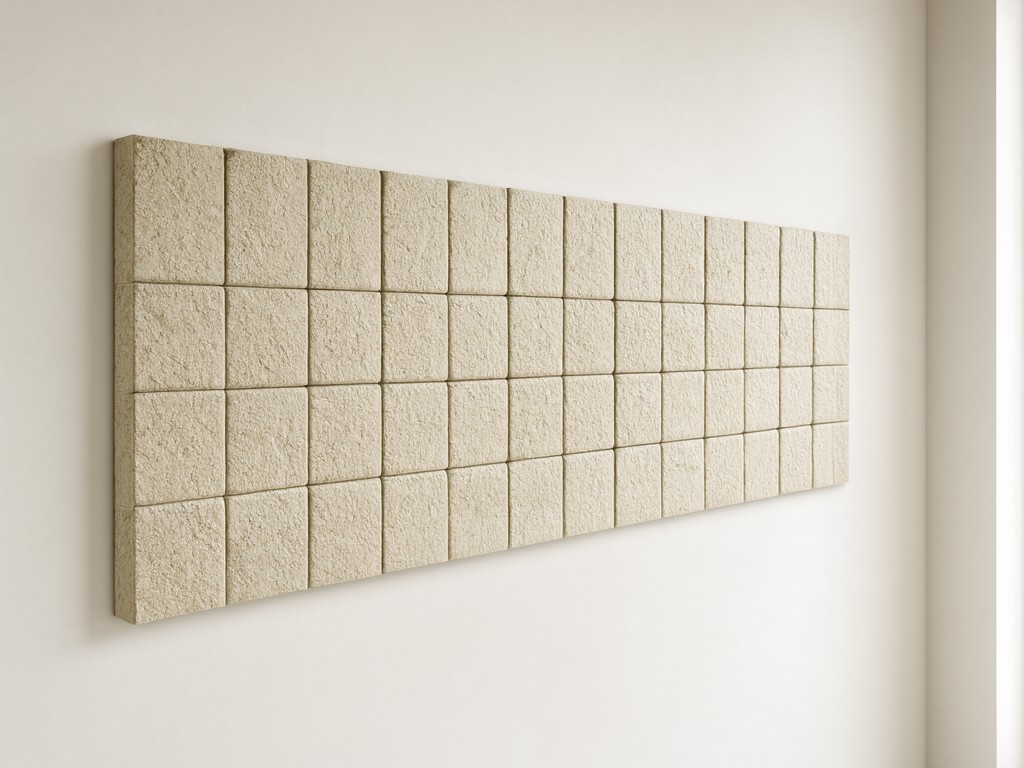
Specifying wholesale decorative interior wall insulation panels suppliers for Wholesale and OEM Orders
Scope of Supply and Physical Form
Panels ship as flat, pre‑finished sheets ready for direct wall mounting. Each unit consists of a rigid mineral‑core sandwich faced with a decorative laminate that carries the printed pattern. The core thickness drives thermal resistance (R‑value) while the laminate thickness governs impact resistance and surface durability. Bulk orders are palletised with edge protectors and moisture‑barrier wrap to prevent corner damage during container loading.
Typical supply unit: 1 m² sheet, 12 mm total thickness, weight 7.8 kg. Custom widths up to 1.2 m are available without tooling changes; lengths beyond 2.8 m require a new slit‑to‑size die.
Size, Weight and Specification Range
The table below captures the dimensional envelope, weight band, core density options and the corresponding thermal performance that buyers specify on purchase orders.
| Parameter | Standard Range | Extended Option (MOQ 5 000 m²) |
|---|---|---|
| Width (mm) | 600 / 1 200 | 300 – 1 500 (step 50) |
| Length (mm) | 2 400 / 2 800 | 1 800 – 3 200 (step 100) |
| Total Thickness (mm) | 10 / 12 / 15 | 8 – 20 (step 1) |
| Core Density (kg/m³) | 120 / 150 | 100 – 180 (step 10) |
| Weight (kg/m²) | 6.5 – 9.2 | 5.8 – 11.0 |
| R‑value (m²·K/W) | 2.2 – 3.5 | 1.8 – 4.2 |
| Surface Laminate | 0.3 mm PET‑coated decorative | 0.2 mm – 0.5 mm (PET, PP, or acrylic) |
Inspection standards applied to every lot are listed in the same table for quick cross‑reference.
| Test | Method | Acceptance Criteria |
|---|---|---|
| Dimensional check | CMM ±0.5 mm | Length/width within ±2 mm; thickness ±0.3 mm |
| Weight verification | Scale ±0.05 kg | Per‑sheet weight within ±3 % of spec |
| Thermal resistance | Guarded hot plate (ISO 8301) | R‑value ≥ 95 % of nominal |
| Surface adhesion | Cross‑cut tape test (ASTM D3359) | Rating 4B or better |
| Impact resistance | Falling dart 1 kg, 500 mm drop | No cracking or delamination |
Option Comparison by Usage Level
Choose the configuration that matches the service environment. The decision tree below walks through the key trade‑offs; each branch notes the cost impact and the failure mode it mitigates.
- Identify primary exposure
- Dry interior (offices, retail) → standard 120 kg/m³ core, 0.3 mm PET laminate (baseline cost).
- Humid interior (bathrooms, kitchens) → upgrade to 150 kg/m³ core + 0.4 mm PP laminate (+8 % unit cost) to resist swelling.
- High‑traffic public zones → 180 kg/m³ core + 0.5 mm acrylic laminate (+15 % unit cost) for impact and abrasion resistance.
- Select thermal target
- R‑value ≥ 3.0 → 15 mm total thickness minimum (adds 1.2 kg/m²).
- R‑value 2.2–2.8 → 10 mm or 12 mm acceptable (lower freight weight).
- Confirm decorative requirement
- Standard catalogue patterns → no tooling charge.
- Custom artwork → one‑time cylinder engraving fee (≈ US$1 200) amortised over ≥ 10 000 m².
Usage Scenarios and Buyer Segments
Retail chains ordering 20 000 m² per season need consistent colour match across stores; they specify a single laminate batch and request a 2 % over‑run for replacement tiles. Hospitality developers buying for hotel corridors prioritize fire‑rating compliance (Class B‑s1,d0) and ask for a certificate of conformity per container. DIY distributors purchasing pallet loads of 500 m² prefer the 600 mm width for shelf‑ready packaging and a pre‑applied adhesive strip to reduce installer labour.
Segment‑Specific Requirements
Retail buyers require barcode‑labelled cartons (GS1‑128) and a maximum pallet height of 1.1 m for automated warehouse put‑away. Hospitality specifiers demand a formaldehyde emission test (EN 717‑1) result ≤ 0.05 ppm and a documented chain‑of‑custody for the mineral core. DIY channels need a peel‑and‑stick adhesive that retains ≥ 80 % shear after 30 days at 40 °C/90 % RH; the adhesive formulation is locked in the BOM and cannot be swapped without a new PPAP.
OEM and ODM Programme Structure
OEM orders follow a three‑gate process: (1) sample approval on a 10 m² pilot run, (2) first‑article inspection against the agreed drawing package, (3) production release with a 0.5 % statistical process control band on thickness and weight. ODM projects add a design‑for‑manufacture review where the decorative pattern repeat is matched to the laminate print cylinder pitch to avoid visible seams. Tooling amortisation is calculated over the committed volume; a 5 000 m² minimum spreads the cylinder cost to < US$0.12/m².
Quality Control and Batch Consistency
Batch Consistency Check
Every production lot undergoes a 10‑point checklist: dimensional audit, weight spot‑check (5 % of sheets), thermal resistance spot test, surface adhesion cross‑cut, impact dart, colour ΔE ≤ 1.5 versus master, formaldehyde emission, edge squareness, moisture content ≤ 8 %, and packaging integrity. A lot fails if any single parameter exceeds its tolerance; the entire pallet is quarantined and re‑worked or scrapped.
Statistical process control charts are maintained for core density and laminate thickness; a drift of > 2 σ triggers an immediate die‑adjustment and a root‑cause report sent to the buyer within 48 hours.
Care, Storage and Service Life
Store panels flat, off the ground, in a covered area at 5–35 °C and ≤ 70 % RH. Stack no more than 12 sheets high to avoid core compression. Clean installed surfaces with a pH‑neutral detergent and a soft cloth; avoid solvent‑based cleaners that can attack the laminate bond. Expected service life: 15 years in dry commercial interiors, 10 years in humid zones when the upgraded PP/acrylic laminate is specified. Replacement rate in field data averages 0.3 % per year, driven mainly by impact damage rather than thermal degradation.
Ready to lock in a specification that matches your private‑label brief? Request a tooling review and sample kit and we’ll walk through the decision tree with your technical team.



