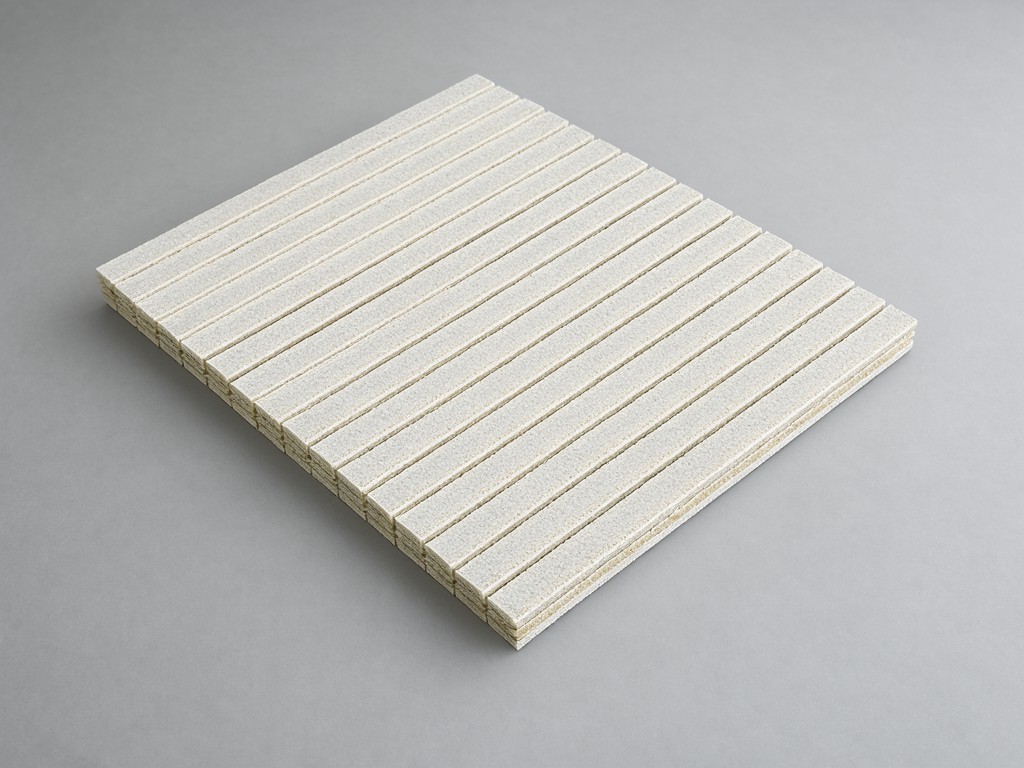
Wholesale High Strength XPS Sandwich Wall Panels Manufacturer: What Buyers Should Check
Structural integrity in cold-chain environments depends on the bond between the extruded polystyrene (XPS) core and the structural facing skins. When procurement evaluate panels, the primary failure mode is not the foam compression itself, but delamination caused by thermal expansion mismatch or poor adhesive penetration. We focus on a high-density extrusion process that ensures the core remains dimensionally stable under load, preventing the common bowing often seen in lower-grade wholesale batches.
How It Performs in Use
The performance of a sandwich panel is measured by its shear strength and its resistance to moisture vapor transmission. In industrial refrigeration or cold-storage applications, panels undergo rapid temperature fluctuations. Our manufacturing process utilizes a continuous-fiber reinforced skin that distributes tensile stress across the entire surface, which prevents the cracking at fastener points found where standard panels often fail. By maintaining a tighter tolerance on core thickness—typically within ±0.5mm—we ensure that the thermal bridge effect remains consistent across the entire installation area.
- High compressive strength prevents panel deformation in high-density racking configurations.
- Closed-cell XPS structure eliminates water absorption, maintaining R-value over time.
- Surface-hardened skins allow for mechanical fastening without tearing out the core material.
- Thermal stability indices reduce the risk of joint failure during rapid-freeze cycles.
Material Options and Trade-offs
High-Density XPS Core
Selected for load-bearing walls where structural rigidity is critical. The higher density increases the cost per square meter but significantly reduces the likelihood of permanent deformation (creep) under heavy equipment loads.
Reinforced Metal Skins
Used for applications requiring high fire resistance and mechanical protection. While this adds weight to the shipment, it provides superior protection against impact damage compared to polymer polymer skins.
Size, Weight and Specification
| Parameter | Standard Range |
|---|---|
| Panel Thickness | 50mm to 300mm (custom) |
| XPS Core Density | 35kg/m³ to 100kg/m³ |
| Flexural Strength | ≥2.5 MPa (depending on skin) |
| Thermal Conductivity | 0.032-0.038 W/m·K |
What Can Be Customised and Cannot
We adapt the surface finish to meet specific architectural or industrial requirements, such as antimicrobial coatings for food processing or UV resistance for exterior cladding. However, the core chemical structure of the XPS is fixed to maintain the certified thermal rating; altering the foam chemistry often compromises the moisture resistance of the panel. We also offer custom joint profiles (tongue-and-groove or interlocking) to ease on-site assembly, but the panel width is limited by the extrusion line width to ensure consistent flatness during transport.
Segment-Specific Requirements
Large-scale logistics hubs require panels with high impact resistance to prevent damage during rapid transit. For cold-storage construction, the focus shifts to the air-tightness of the joints. We provide technical data sheets for each batch to verify that the thermal resistance meets the specific cooling-load requirements of the project engineers.
| Condition | Potential Failure | Our Mitigation |
|---|---|---|
| Extreme Cold Cycling | Joint delamination | Elastic-expansion adhesive bonding |
| High-Load Racking | Core buckling | High-density XPS selection |
OEM and ODM Structure
For brand-label partners, we provide integrated skin-layer services during the manufacturing phase. This includes custom branding and specific surface textures that are bonded directly to the core. Our process begins with a sample approval phase where the bond shear strength is tested against the client's specific mechanical specifications before full-scale production begins.
What Checked Before Shipment
Every shipment undergoes a dimensional check to ensure the panels fit the specified architectural tolerances. We also perform pull-off tests on random samples from each batch to verify the skin-to-core bond integrity. This prevents the risk of field failures where panels might peel apart under thermal or mechanical stress.
Keeping Orders Supplied
Consistency in material density is why procurement officers return to us. By maintaining strict control over the extrusion parameters, we ensure that a panel ordered today matches the thermal performance of one ordered last year, allowing for multi-phase construction projects without material discrepancies.
Request technical specifications or wholesale pricing for your project requirements.
Contact our Technical Team


