wholesale lightweight eps panels for prefab house: What Buyers Should Check Before Ordering
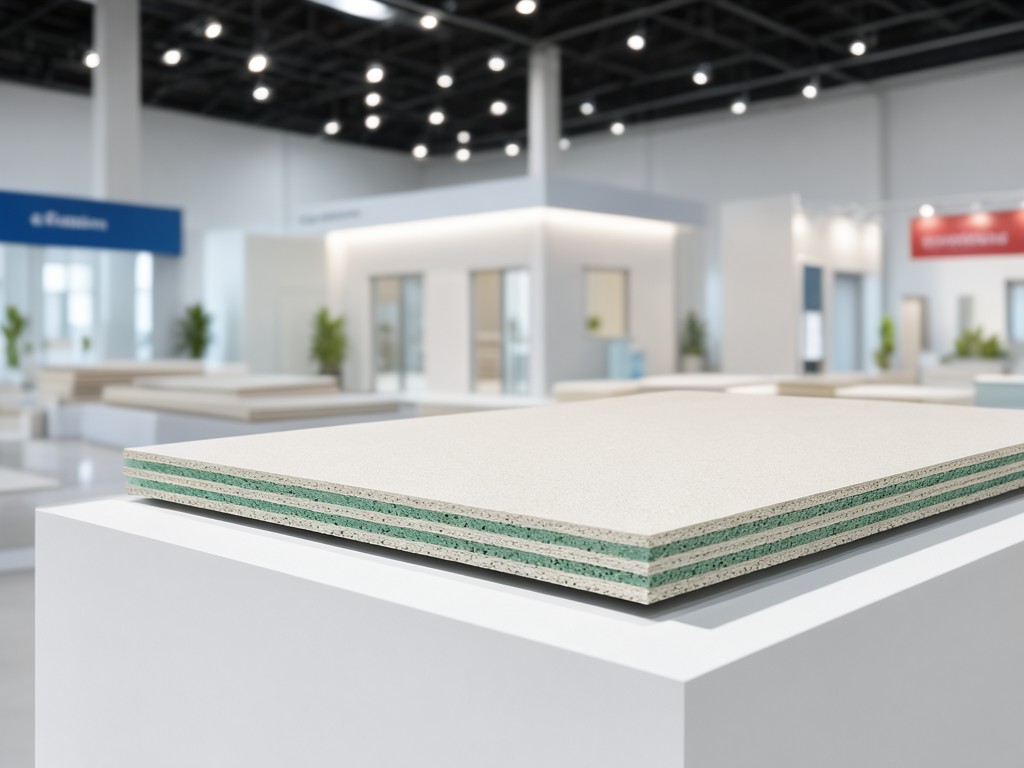
Moving from sample orders to container loads changes the focus from aesthetic finish to structural dimensional stability. In prefab construction, the primary failure point is rarely the EPS core itself, but rather the bond line between the steel or cement sheets and the foam insulation. If the adhesive application is inconsistent across a batch, thermal expansion rates between the outer skins will cause delamination, leading to visible bulging and moisture ingress that triggers warranty claims within the first winter.
Design Constraints Behind the Specification
The specification of a sandwich panel is dictated by the R-value requirements and the mechanical rigidity of the assembly. While a thicker core improves thermal resistance, it increases the profile width of the wall, which affects transport logistics and interior floor space. If the panel thickness varies by more than a ±2mm tolerance across a production run, the interlocking joints will fail to align, forcing expensive on-site shimming that compromises the airtight seal.
Surface treatment also determines the longevity of the prefab unit. Galvanized steel skins offer high tensile strength for rapid assembly but require specific coatings to prevent galvanic corrosion if the fasteners are incompatible. Cement-fiber skins provide better fire resistance and acoustic damping but are prone to cracking if the EPS core undergoes significant thermal contraction during the curing phase.
Material Options and Their Trade-offs
High-Density EPS (20kg-25kg/m³)
Used for structural partitions where impact resistance is a priority. The higher cell density provides better screw hold-out strength, reducing the risk of fasteners pulling out during interior cabinetry installation.
Standard EPS (12kg-15kg/m³)
Ideal for internal partition walls or temporary modular units where weight is the primary constraint. It reduces the dead load on the foundation but requires careful handling to prevent permanent core deformation.
How to Choose Before Requesting a Quote
Procurement officers must define the core-skin compatibility prior to requesting a quote. A 0.5mm primed steel skin will behave very differently under UV exposure than a 10mm fiber-cement board. Buyers should specify the expected temperature range of the site to ensure the panel does not warp during high-heat transport phases.
- Specify the thermal conductivity (K-value) per mm thickness.
- Define the required fire rating (e.g., Class A or Class B).
- Request specific tolerances for edge tongue-and-groove precision.
- Confirm if the surface finish is ready for direct painting or requires secondary cladding.
Segment-Specific Requirements
Residential prefab housing demands high-performance acoustic insulation to meet living comfort standards. This often requires a denser core or a specialized skin thickness to dampen sound transmission. In contrast, industrial modular units focus on fire-retardant properties and the ability to withstand mechanical impact during rapid deployment.
| Test Parameter | Target Range | Inspection Method |
|---|---|---|
| Core Shear Strength | 0.15 - 0.30 MPa | ASTM D2831 |
| Dimensional Tolerance | ±1.5 mm | Laser Micrometer |
| Bond Strength | ≥ 70 kPa | Pull-off Test |
| Water Absorption | < 1.0% (by weight) | 24h Immersion |
Capacity, Tooling and Scheduling
Production capacity is limited by the curing time of the adhesive used in the continuous press. For wholesale orders, custom tooling for specific joint profiles (like wide-tongue) requires a lead time of 3 to 4 weeks. Once the line is set, standard production runs typically operate in batches of 500 square meters to ensure material batch-batch consistency across the entire shipment.
Packing, Marking and Freight Configuration
Freight configuration is the most critical factor in preventing edge damage. Panels must be transported vertically on reinforced steel frames to prevent the EPS core from crushing under its own weight. We utilize moisture-barrier PE wrapping and protective edge protectors to mitigate impact damage during sea transit. Each pallet is laser-marked with batch numbers, core density, and production dates to ensure full traceability for the prefab assembly team.



